culture
Local Groups Transform Mexico City's Cultural Identity Through Art and Heritage
From grassroots art spaces to heritage preservation, local groups are reshaping the city’s cultural identity.
How we reported this
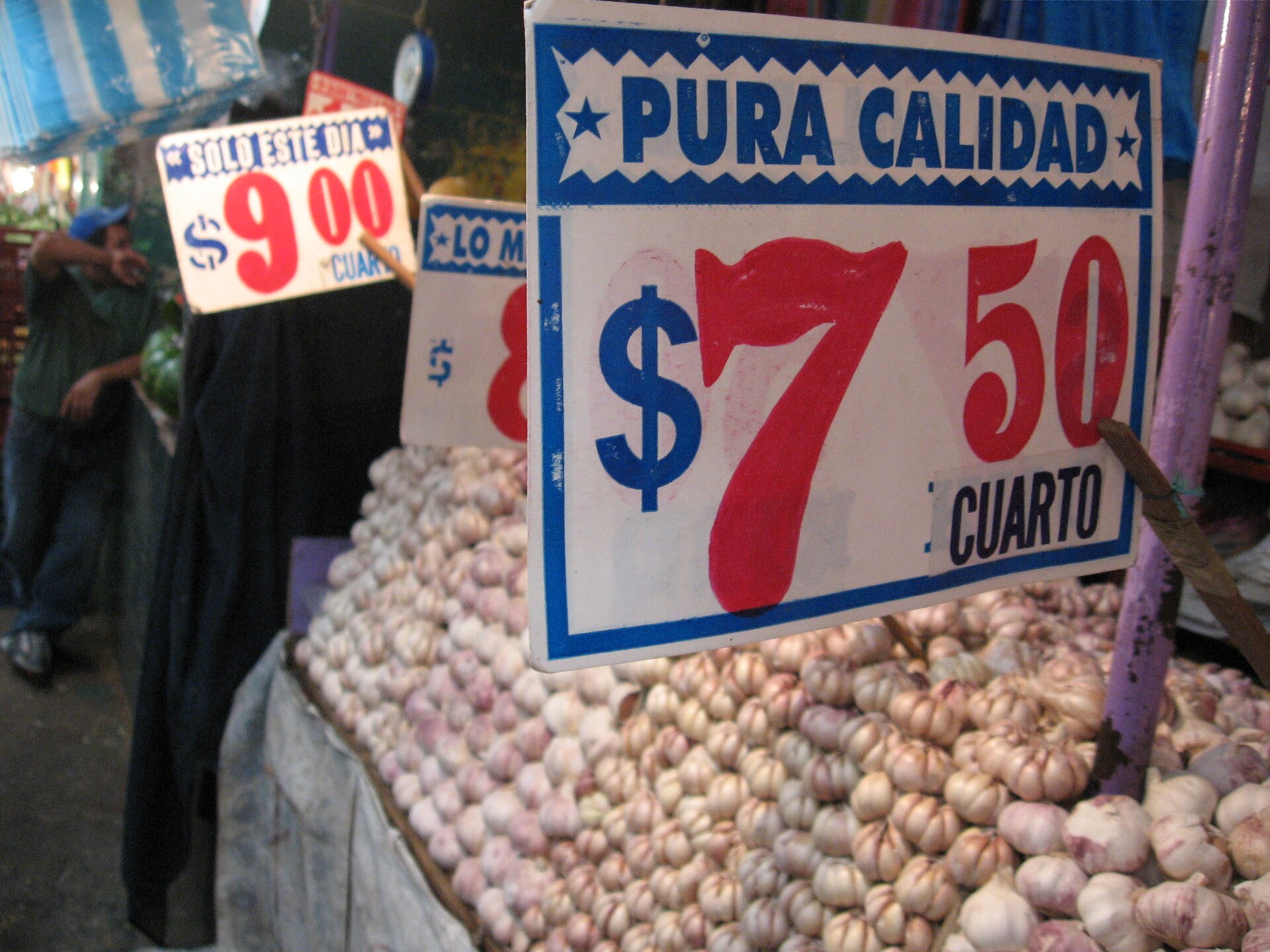
México City brims with cultural vitality that’s shifting the urban narrative, fuelled by a vibrant community movement engaging residents and visitors alike in diverse artistic, historical, and social experiences. Today, this cultural momentum manifests through public events, collaborative art projects, and neighbourhood-based initiatives across the capital.
This cultural surge matters now as Mexico City continues to recover from the provincial slowdown caused by the pandemic, while facing rapid urban development that threatens its historical and artistic heritage. The community’s active participation in preserving traditions and promoting contemporary creativity acts as a counterbalance to commercial pressures, ensuring a inclusive cultural landscape accessible to all social sectors.
Building Culture from the Ground Up
Two prominent examples spotlight how local efforts anchor this cultural shift. The Centro Cultural de España in Mexico City, located on Guatemala Street in the historic Centro Histórico, plays a pivotal role by hosting exhibitions, workshops, and independent cinema screenings that spotlight Mexico’s multicultural narratives and emerging talents. Meanwhile, in the Condesa neighborhood, La Casa del Cine MX offers curated film programs featuring Mexican and Latin American filmmakers, complementing its role as an incubator for new voices in regional cinema.
Beyond established venues, neighbourhood-led projects such as the "Murales Vivo" initiative in Iztapalapa convert public walls into lively canvases. Supported by both local artists and community groups, this program connects residents with their urban environment through murals that depict social history, indigenous culture, and contemporary issues relevant to the district.
Changing the Cultural Playbook
Data from the Secretaría de Cultura de la Ciudad de México reveals a 20% increase in participation in community arts programs since early 2025. Additionally, the number of public cultural events hosted in non-traditional venues-parks, market plazas, and open streets-has grown by 35% according to last year’s municipal cultural report. These statistics underscore a deliberate pivot toward decentralized and inclusive cultural spaces.
For instance, entry prices for events at key cultural institutions remain affordable, with many offering free admission days or sliding scale options. The Centro Cultural de España reported an average ticket price of 50 pesos for paid events, a strategy empowering wider audience engagement. Moreover, partnerships between local government and civil organizations have channeled over 10 million pesos this year alone into programs that enable youth participation in arts and crafts workshops across vulnerable districts.
Mexico City’s current cultural shift ultimately depends on this ongoing community dynamic. Residents and visitors interested in embracing these movements can explore events on platforms like Cultura CDMX or participate in the upcoming festival “Jornada Cultural Vecinal” slated for July 15-18, which promises activities ranging from dance performances in public squares to artisan markets celebrating native crafts. Keeping an eye on neighbourhood cultural newsletters and social media pages from centres like La Casa del Cine MX allows art enthusiasts to plug into grassroots happenings that fuel the city’s creative pulse.