culture
Mexico City's Arts Circuit Redefines Creative Identity This Weekend
From the galleries of Roma Norte to the performance spaces of Centro Histórico, local creators are asserting a bold new autonomy that is fundamentally shifting the capital's cultural footprint.
How we reported this
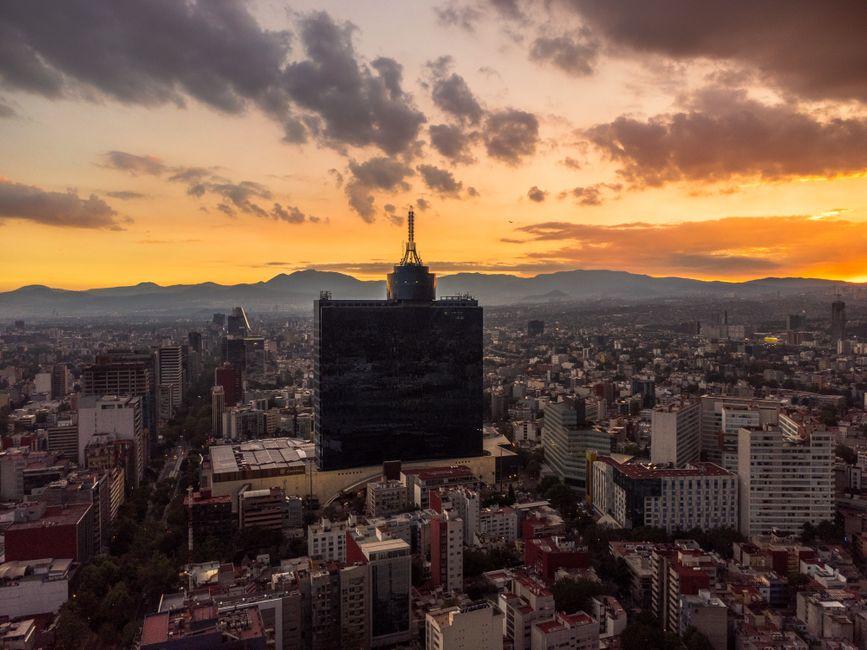
Mexico City’s creative sector is undergoing a definitive shift this weekend, as a convergence of independent exhibitions and community-led performance art marks a departure from traditional institutional gatekeeping. Across the capital, the focus has moved toward reclaiming underutilized spaces for long-form artistic dialogue, signaling a maturing cultural identity that prioritizes local autonomy over international trends.
The Reclaiming of Public and Private Space
In the neighborhood of Roma Norte, the intersection of Avenida Álvaro Obregón and Calle Frontera has become the epicenter of this movement. The Galería OMR is hosting a preview of experimental installations that highlight the urban decay of the central districts, while the nearby Casa Lamm is facilitating a series of public workshops. These venues, long considered cornerstones of the city’s high-culture circuit, are now actively shifting their programming to spotlight emerging creators who focus on the socio-political realities of the metropolitan sprawl. This pivot is not incidental; it reflects a broader move by curators at organizations like the Museo Universitario de Arte Contemporáneo (MUAC) to prioritize artists who work directly within the context of Mexico’s complex history.
Economic Metrics and the Cultural Shift
The scale of this weekend’s activity is reflected in the increased logistical coordination across the city’s central districts. Data released by the Secretaria de Cultura de la Ciudad de México indicates that public-private arts partnerships have risen by approximately 14 percent since the start of the 2026 fiscal year. For those navigating the city, entry fees for these independent showcases are currently averaging between 150 and 300 pesos, a pricing model designed to keep participation accessible to local residents rather than limiting access to international tourist demographics. This economic strategy is a calculated effort to ensure that the city’s cultural output remains tethered to the citizens who inhabit its neighborhoods, rather than becoming a commodity for external consumption.
The weekend schedule culminates on Sunday in the Zócalo, where various collectives will present collaborative soundscapes. These performances serve as a tangible example of the city’s evolving aesthetic, which blends traditional sonic elements with modern digital production. Residents and visitors planning to attend should monitor the social media channels of the NODO cultural network for real-time adjustments, as street-level events are prone to shifting timelines depending on local weather conditions. As the city continues to integrate these diverse creative voices, it is clear that Mexico City is not merely reacting to international trends; it is actively constructing a singular, self-assured identity that will shape the local arts landscape for years to come.