culture
Local Artisans Transform Mexico City's Hidden Alleys Into Cultural Hubs
Beyond the guidebooks, a new generation of local artisans is turning the historic center’s forgotten corridors into thriving cultural hubs.
How we reported this
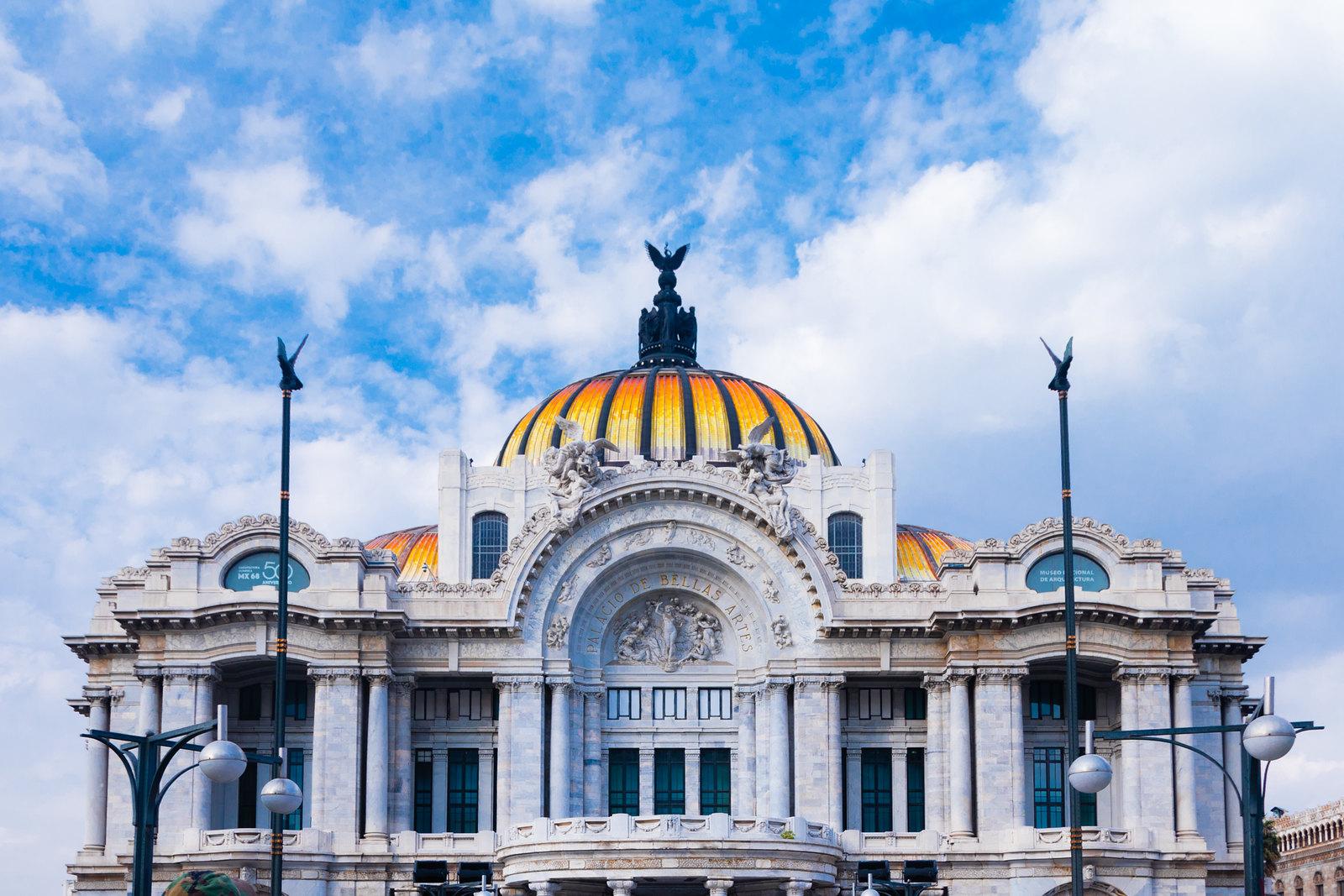
Saturday morning in the Centro Histórico finds a quiet revolution taking place behind the heavy wooden doors of 18th-century palacios. As residents navigate the gridlock near the Zócalo, a group of local architects and collective members have spent the early hours preparing the courtyard at Calle de la Palma 40, a former residence now serving as a permanent exhibition space for contemporary craft.
This shift matters because the heart of Mexico City is currently shedding its image as a purely colonial relic. The current movement of reclaiming private patios for public artistic use began in late 2024, prompted by the municipal government’s 'Renovación Centro' initiative, which provided tax incentives for building owners who lease ground-floor space to local cooperatives rather than large retail chains.
From Industrial Ruins to Creative Enclaves
The transformation is most visible at the intersection of Calle Uruguay and 5 de Febrero. Here, the former garment district warehouses have been converted by the group 'Colectivo 102' into a series of open-access studios. According to the 2026 mid-year report issued by the Mexico City Ministry of Culture, there are now 42 such independently managed art spaces operating within the perimeter of the historic center, marking a 15 percent increase in creative workspace availability since the program's inception.
Walking through the neighborhood today, visitors will find 'La Esquina del Arte,' an organization that hosts free weekend workshops on traditional Oaxacan weaving and modern metalwork. The entry fee for the current exhibition, 'Arquitectura Viva,' is set at 50 pesos, a price point maintained to ensure local students can access the gallery regularly. The exhibition is housed in a structure dating back to the late 1700s, where original volcanic stone walls meet temporary steel installations.
The Architects of the New Scene
The people behind this scene are largely under the age of 35, many of whom studied at the nearby UNAM Faculty of Architecture. Their objective is to maintain the structural integrity of the district's porous volcanic stone while introducing light-weight, modular interiors that can be adjusted for rotating exhibitions. Unlike the high-end galleries in Polanco, these spaces focus on the intersection of urban history and modern social identity.
For those looking to explore this side of the city today, the most reliable path is to start at the Plaza de la Constitución and head two blocks west. Avoid the main tourist thoroughfares. Instead, duck into the small, unmarked passageways that lead to the internal courtyards of the street Calle Tacuba. Most of these venues close by 6:00 p.m. to comply with current city noise ordinances, so an early start is recommended to catch the final afternoon light hitting the centuries-old facades.