culture
Mexico City's Artisans Drive Cultural Renaissance Across Historic Districts
From the quiet restoration of colonial courtyards to the experimental galleries of Roma Norte, here is the story of the artisans driving the city’s creative surge.
How we reported this
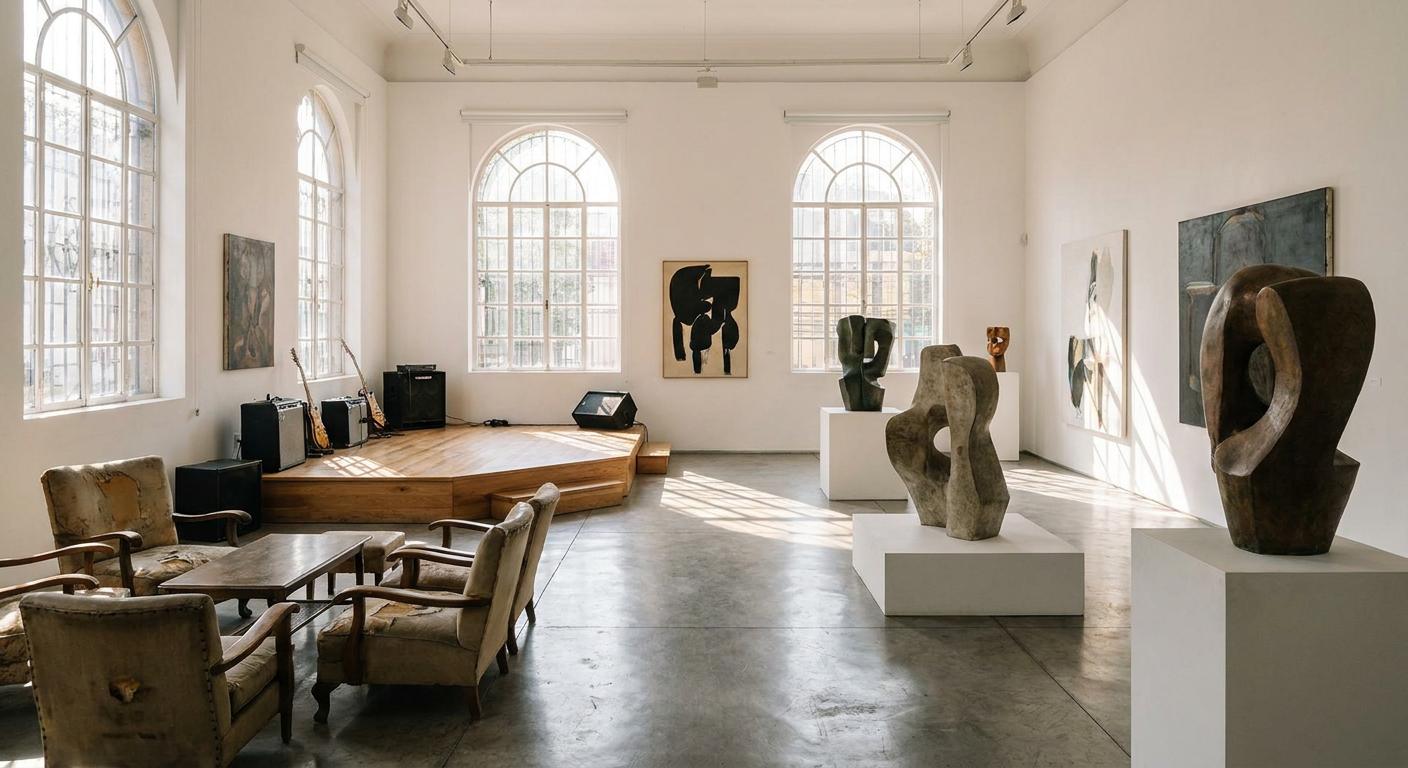
On this Saturday in July, Mexico City continues to solidify its position as a primary global hub for contemporary art and heritage preservation. While international headlines focus on geopolitical shifts from Tehran to the frontlines of Europe, the local cultural landscape is defined by the meticulous work of restoration architects and independent gallery owners who are reclaiming historical spaces for public engagement.
The current vitality of the city’s creative districts is not an accident of urban growth but the result of sustained collaboration between the Instituto Nacional de Antropología e Historia and local community collectives. In neighborhoods like Roma Norte and Condesa, the revitalization process prioritizes the preservation of Porfirian-era architecture while repurposing interiors for modern exhibition spaces. This synthesis of historical preservation and contemporary expression has transformed once-vacant private residences into cultural touchstones.
The Artisans of the Interior
The story of this transformation is best observed at sites like the Casa Lamm Cultural Center in Roma Norte and the ongoing public programming at the Museo de Arte Moderno. At Casa Lamm, the focus remains on integrating fine arts education with the maintenance of a historic mansion, a model that has encouraged similar projects throughout the Cuauhtémoc borough. These institutions serve as more than just display cases; they act as hubs where local designers and historians converge to dictate the aesthetic direction of the city.
Recent administrative records indicate that cultural initiatives supported by the Secretariat of Culture have seen increased activity levels across the city's main corridors, including Avenida Álvaro Obregón. Public attendance figures for municipal museum programs reached record heights during the most recent fiscal assessment, reflecting a growing local appetite for high-density, culturally rich public spaces. Admission fees to state-run galleries remain largely accessible, with standard entry often held at levels that ensure broad demographic participation in city-wide festivals and exhibition cycles.
Navigating the Weekend Scene
For those looking to engage with the city’s cultural output today, the intersection of art and history is most accessible in the galleries lining Calle de Colima. Visitors will find that many of these spaces hold weekend-long workshops led by the same architects and curators responsible for the city’s recent restoration projects. These venues often operate on a non-ticketed basis, encouraging foot traffic and informal engagement with the rotating installations that characterize the neighborhood's identity.
As the city moves into the evening, the focus shifts toward the performance spaces in the historic center near the Zócalo. Travelers and residents alike are encouraged to verify current exhibition hours via the official platforms for the Secretaría de Cultura de la Ciudad de México, as many independent galleries have adjusted their operations for the summer season to facilitate open-air events in the courtyards of heritage-listed buildings.