culture
Mexico City's Independent Galleries Shape the Capital's Evolving Creative Identity
As July temperatures climb, independent galleries and revitalized public plazas are anchoring the capital’s evolving artistic landscape.
How we reported this
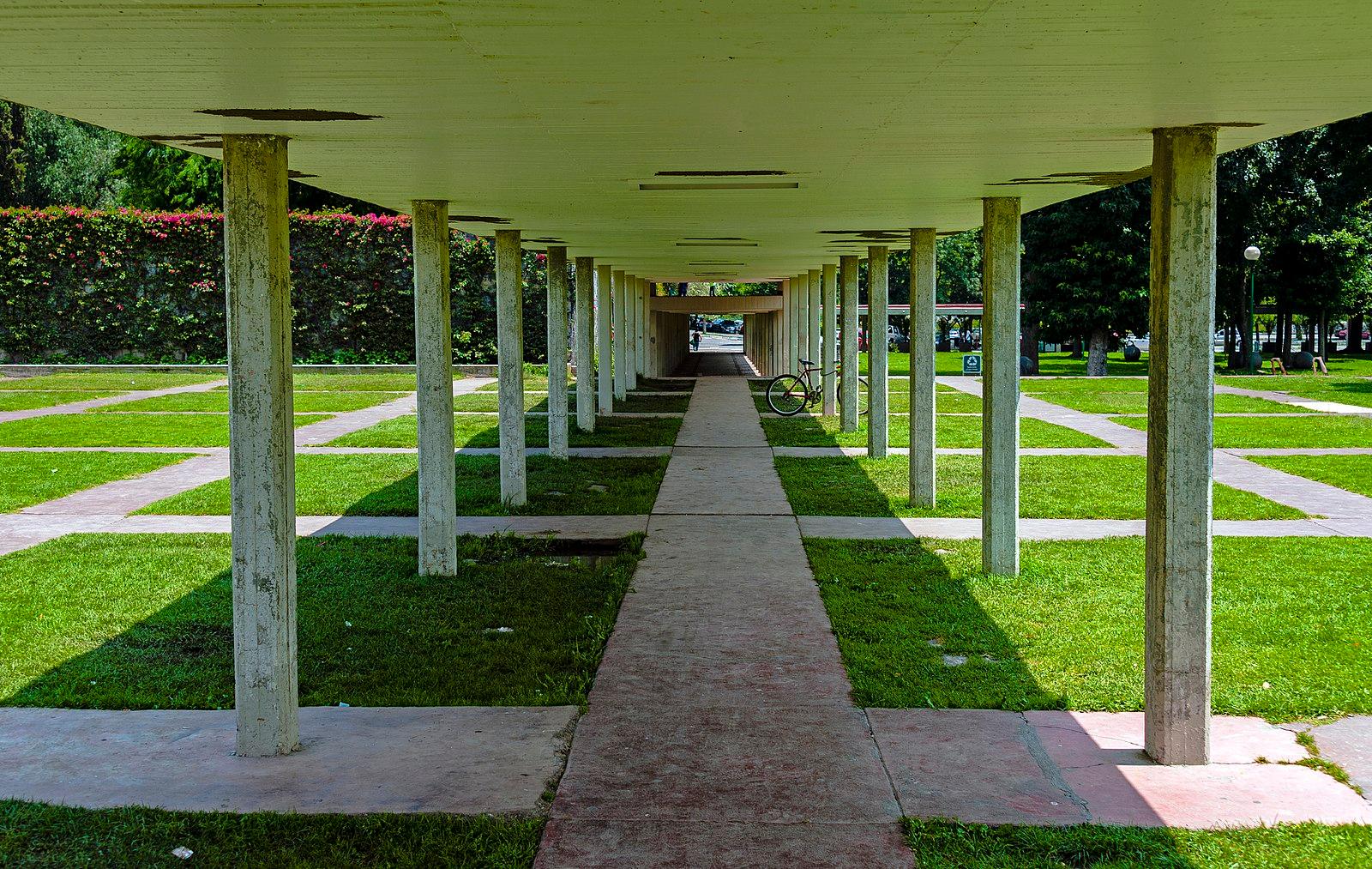
Today, July 5, 2026, the intersection of Avenida Álvaro Obregón and Calle Insurgentes serves as a microcosm of Mexico City’s shifting cultural priorities. While global headlines fixate on geopolitical volatility and natural disasters elsewhere, the local rhythm here is defined by a surge in independent exhibition spaces. From the historic corridors of Centro Histórico to the leafy residential blocks of Roma Norte, the city’s creative output is increasingly driven by grassroots collectives rather than legacy institutions.
The Pulse of Roma and Condesa
The concentration of artist-run projects in Roma Norte, such as the exhibition space Kurimanzutto on Calle Gob. Rafael Rebollar, highlights a transition toward intimate, experimental engagement. These venues are moving away from traditional static displays, opting instead for immersive installations that encourage long-term interaction. At the same time, the revitalization of Parque México has become a secondary hub for spontaneous performance art, where local musicians and theater troupes now occupy space that was once strictly recreational.
Data released by the Mexico City Secretary of Culture indicates a 14 percent increase in foot traffic to independent cultural centers compared to July 2024. Tickets for entry-level workshops at the Centro Cultural España on Pasaje cultural, República de Guatemala 18, currently retail at 150 pesos, reflecting a deliberate effort to keep artistic participation accessible despite broader inflationary pressures. This pricing model supports a demographic of emerging creators who are choosing to stay in the city rather than migrating to northern hubs.
Cultural Resilience as Identity
This development is not merely a seasonal trend; it is a structural change in how the city identifies itself. By prioritizing the repurposing of industrial warehouses into hybrid studio-galleries, organizations like the Museo Experimental el Eco are effectively tethering the city’s identity to its architectural history. The reliance on these localized, accessible venues fosters a culture of neighborhood-centric curation that distinguishes the current era from the more centralized art scene of the early 2010s.
For those looking to engage with this shift, the most effective approach today is to avoid the standard tourist circuits. Visitors should head to the fringes of the Colonia Juárez neighborhood, where many of the most active galleries hold their Saturday afternoon open-house sessions between 2:00 p.m. and 6:00 p.m. Expect to find limited-run zines and independent digital media prints, often priced under 300 pesos. Walking is the preferred mode of navigation, as the city’s ongoing transit maintenance along the Metrobus Line 1 route continues to disrupt standard vehicle circulation through the downtown district.