culture
Discover Mexico City's Hidden Gems: Museums, Markets, Weekend Guide
From the quiet corridors of the Museo Anahuacalli to the bustling Saturday markets in Coyoacán, here is how to navigate the city this weekend.
How we reported this
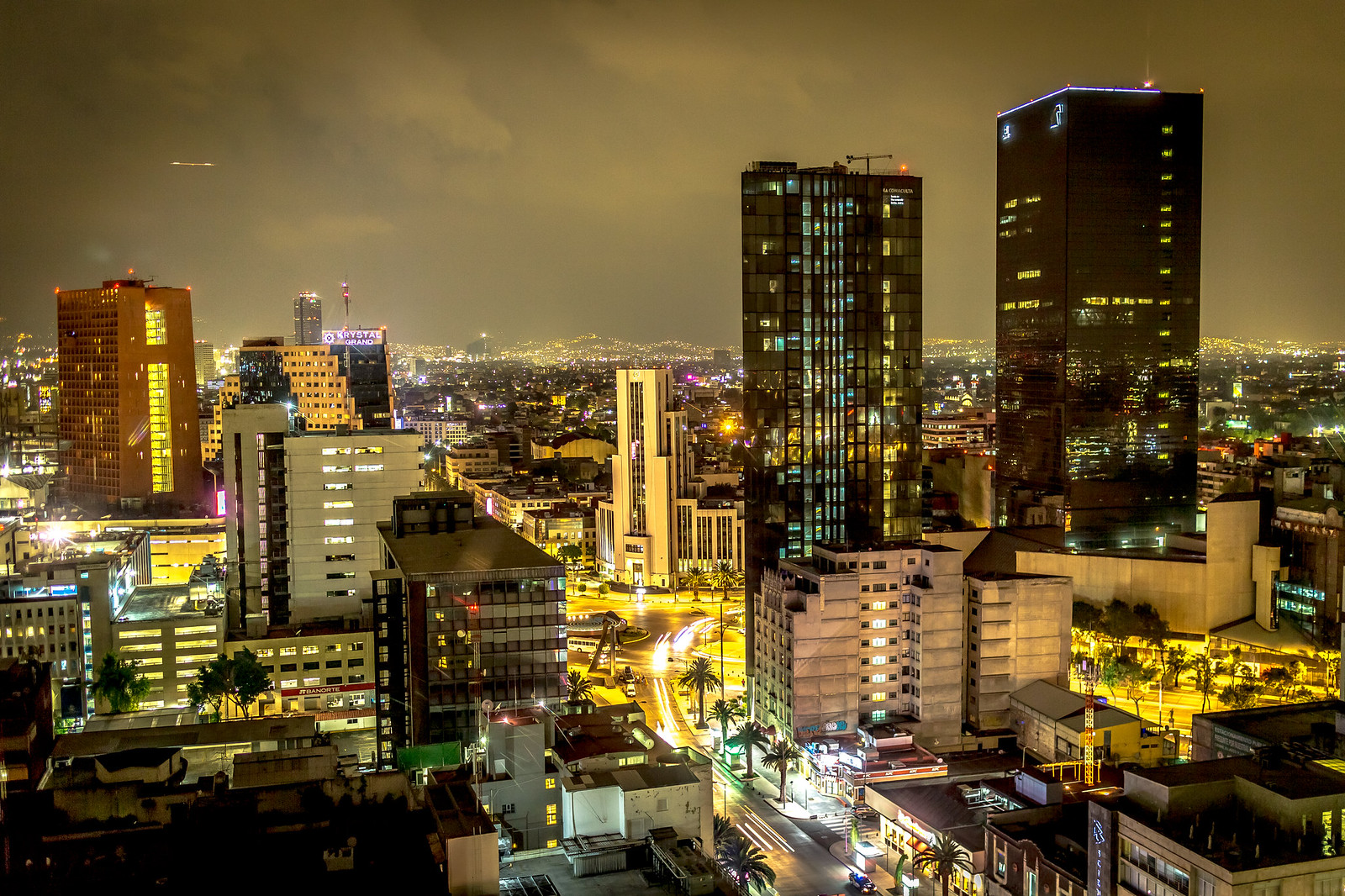
Mexico City is operating at a different frequency this Saturday, July 5, 2026. With the summer heat plateauing and a series of independent gallery openings scheduled across Roma Norte, the city’s cultural calendar is pushing residents toward the street level. Today marks the final weekend for the special exhibition cycle at the Museo Anahuacalli, where Diego Rivera’s personal collection of pre-Hispanic artifacts remains the primary draw for both international visitors and local historians.
The Pulse of the South
For those looking to escape the intensity of the Centro Histórico, Coyoacán provides a necessary change in pace. The Saturday market near the Plaza Hidalgo is currently shifting its inventory to showcase artisanal textiles from Oaxaca, part of a seasonal rotation supported by the local Secretariat of Culture. A walk through the nearby Jardín Centenario reveals the typical density of weekend traffic, but the nearby Calle Higuera offers a quieter route toward the Frida Kahlo Museum. According to the museum’s official booking portal as of this morning, all entry slots for today have been fully reserved, highlighting the sustained demand for site-specific cultural tourism.
Urban Navigation and Costs
Navigating the capital requires planning, particularly as transit authorities continue maintenance on the Metro network. The cost for a single ride on the STC Metro remains at 5 pesos, a price point that has held steady throughout the current fiscal year. For those commuting between the northern districts and the southern museums, the Metrobús system remains the most reliable artery, with current peak-hour intervals averaging six minutes on Line 1 along Avenida Insurgentes. Budget-conscious visitors should note that while most public museums offer free admission on Sundays, today’s Saturday access requires the standard entry fee, which ranges from 95 to 150 pesos for most state-run cultural sites.
As the afternoon transitions into evening, the concentration of activity will likely shift toward the nightlife corridors of Roma and Condesa. The OMR gallery on Calle Córdoba has reported a new installation opening today that explores contemporary architectural photography in Latin America. Reservations for dining in these neighborhoods remain competitive; data from local booking platforms indicate that popular establishments near Parque México are seeing wait times exceeding 90 minutes. For a smoother experience, visitors are advised to utilize the public bike-share program, Ecobici, which currently features over 9,000 active bicycles across the metropolitan area, to circumvent the gridlock likely to build up before the late dinner rush.