culture
Mexico City's Artists Transform Roma Norte and Zócalo With Experimental Weekend Performances
From the gallery walls of Roma Norte to the historic plazas of the Zócalo, Mexico City’s weekend calendar reflects a deepening commitment to experimental expression.
How we reported this
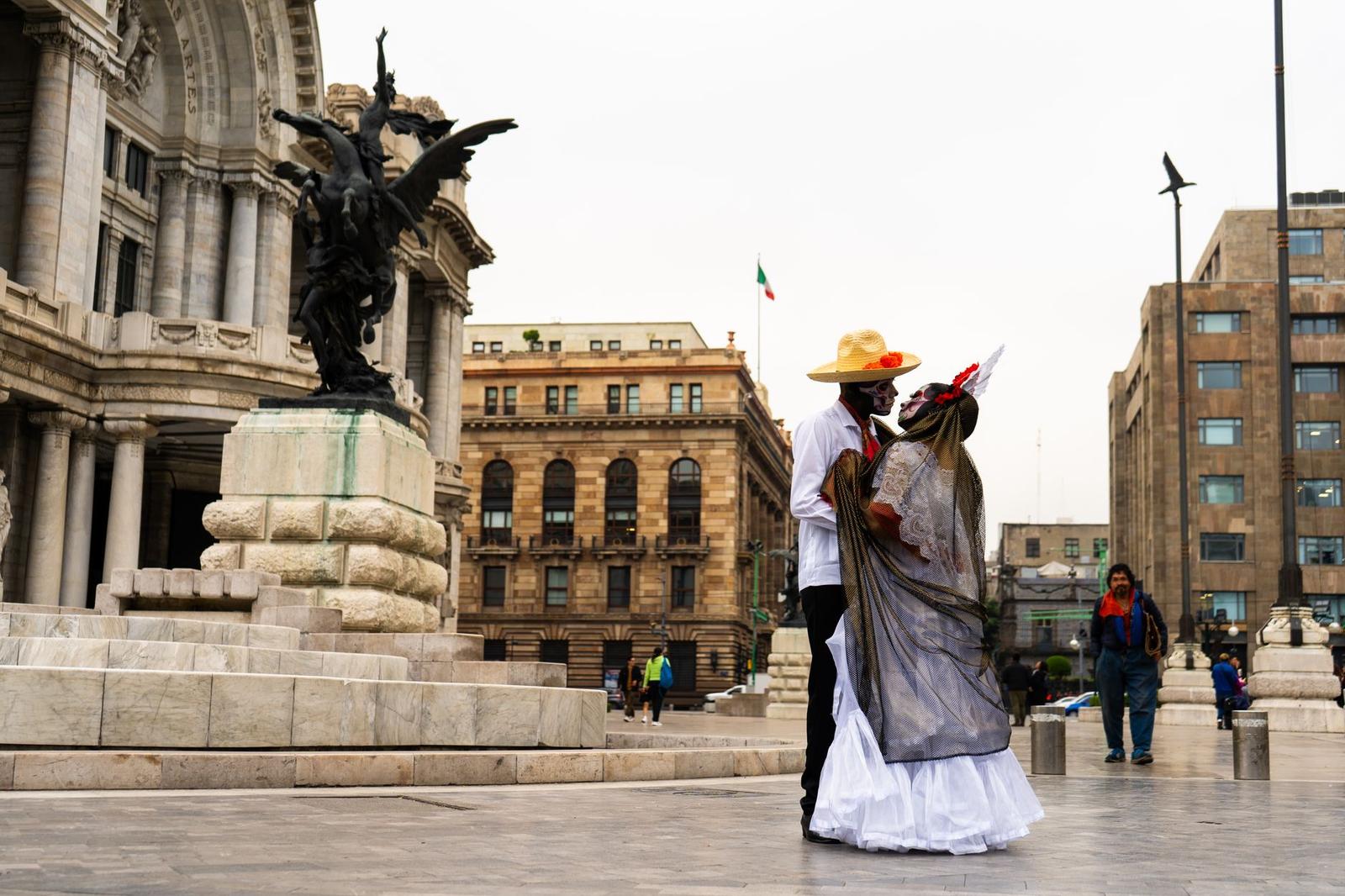
Mexico City’s cultural calendar enters a high-energy phase this weekend, punctuated by the opening of the Summer Experimental Series at the Museo Universitario del Chopo and a city-wide surge in independent performance art. While international headlines focus on global tensions, the mood within the capital’s creative hubs remains focused on reclaiming public spaces for dialogue, shifting the city’s identity from a traditional tourist destination to a powerhouse of contemporary critical thought.
The current cultural climate in the capital is defined by a shift toward localized, high-impact artistic interventions that respond to the city’s complex history. This is not merely about exhibition; it is about institutional agility. Organizations like the Laboratorio Arte Alameda are pivoting away from static displays to prioritize ephemeral works that engage with the city’s rapid demographic shifts, signaling a maturation of the local arts sector that is increasingly independent of external market pressures.
Mapping the Creative Corridor
The nexus of this weekend’s activity is concentrated along the axis connecting Roma Norte and the Centro Histórico. At the Galería OMR on Calle Córdoba, a new exhibition highlighting post-industrial urban landscapes invites visitors to interrogate the city's architectural evolution. Meanwhile, the Centro de Cultura Digital, located beneath the Estela de Luz, is hosting an interactive symposium on digital literacy for local youths, demonstrating how public infrastructure is being repurposed for community-driven educational growth.
Data released by the Secretaría de Cultura de la Ciudad de México indicates a significant rise in attendance for non-commercial arts programming. In their latest quarterly report for April through June 2026, the department noted that participation in government-sponsored arts workshops increased by 14 percent compared to the same period in 2025. Furthermore, ticket prices for major independent gallery events in Colonia Juárez have stabilized at an average of 150 pesos, reflecting a strategic effort to keep creative spaces accessible to local residents rather than pricing them out for international audiences.
As the weekend concludes, the focus shifts to the upcoming Feria de las Culturas Amigas, which is scheduled to commence on July 12. For those navigating the city over the next 48 hours, the most authentic experience lies in the smaller, unlisted pop-up venues found in the alleyways between Álvaro Obregón and Colima. Visitors seeking to understand the heartbeat of the city should look toward the independent zine fairs and spontaneous street performance circuits that define the weekend rhythm, as these grassroots initiatives are proving to be the most vital indicators of Mexico City’s evolving cultural identity.