culture
Mexico City's Rising Creatives Reshape Capital's Cultural Scene
From the galleries of Roma to the experimental stages of Santa María la Ribera, a new generation of creatives is redefining the capital's cultural footprint.
How we reported this
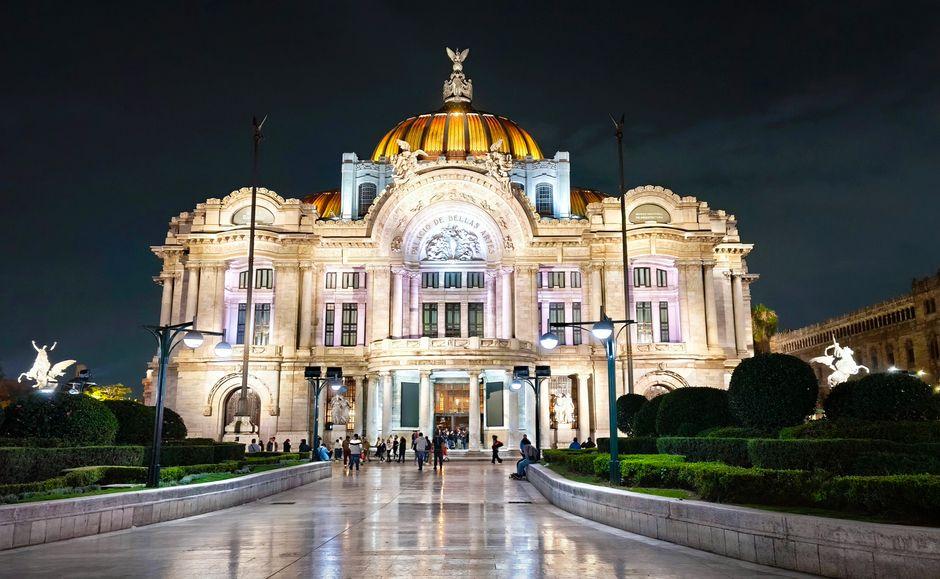
The cultural pulse of Mexico City is undergoing a distinct shift this weekend as a cadre of emerging artists, musicians, and independent curators move from the periphery into the city's primary venues. While traditional institutions remain anchors of the historic center, the current creative energy is concentrated in smaller, artist-run spaces that prioritize experimental work over established institutional narratives.
This transition marks a departure from the mid-career focus that dominated the capital's galleries during the early part of the decade. By fostering direct connections between residents and creators, these new platforms are challenging the traditional gatekeepers of the art and music scene. It is a moment where the city's reputation as a hub for creation is being tested by those who favor local collaboration over international commercial appeal.
Mapping the next generation
In the neighborhood of Roma Norte, spaces like Proyectos Monclova and the nearby independent initiatives on Calle Colima serve as barometers for this changing tide. These venues have become regular stops for those tracking the trajectory of visual artists who are currently moving through the city's residency programs. Simultaneously, the focus in Santa María la Ribera has turned toward sound art and performance, with venues such as the Kiosco Morisco area acting as an unofficial hub for experimental sound collectives. These gatherings are rarely advertised in mainstream brochures, relying instead on distributed digital networks and word-of-mouth promotion among the city's younger demographic.
The economic footprint of these independent efforts is becoming harder to ignore within the local creative economy. According to data published by the Mexico City Ministry of Culture in their mid-year report on institutional support, funding allocations for independent, micro-scale cultural grants rose by 12 percent for the 2026 fiscal year. This shift in capital investment supports a broader trend where creative outputs are increasingly decentralized, moving away from the high-rent corridors of Polanco and into the more historically dense, residential pockets of the metropolitan area.
For those looking to engage with this shift, the most effective approach is to move beyond the main circuit. Visitors and locals interested in tracking these emerging voices should look toward the monthly schedules provided by the various cultural centers housed within the Secretariat of Culture’s network. Following the programming of independent collectives on social platforms often provides the most accurate lead time for shows, as many of these events are held in transient pop-up locations that shift on a weekly basis to maintain a level of accessibility and community engagement.