lifestyle
Polanco Residents Discover Hidden Gems During Neighborhood Transformation
As the neighborhood enters a new cycle of development, residents are looking closer at the curated corners and hidden pockets of Mexico City’s most storied district.
How we reported this
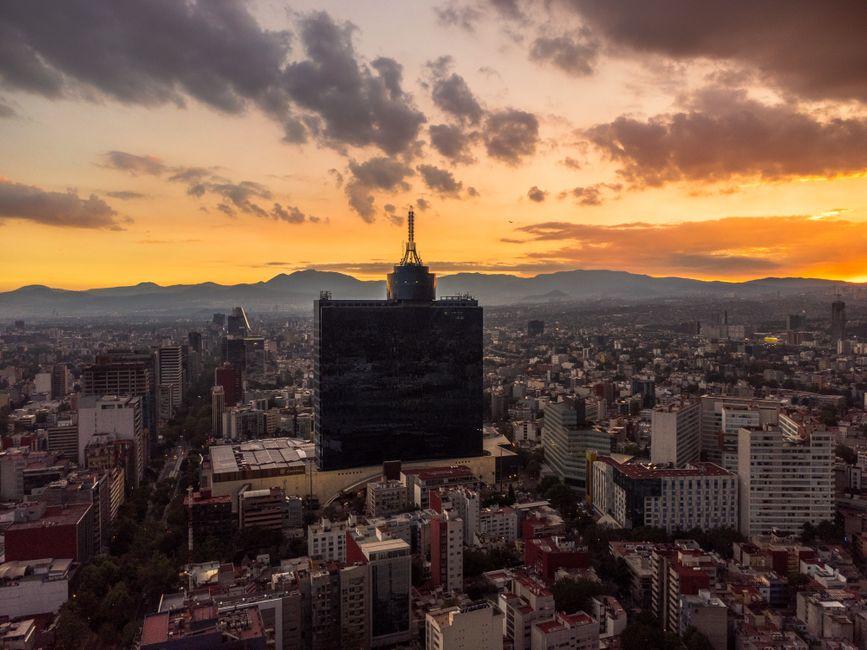
Polanco remains the definitive barometer for high-end urban living in Mexico City, even as its demographic shifts toward a younger, more design-conscious professional class. This July, the streets surrounding Parque Lincoln are seeing an influx of foot traffic that balances the area's long-standing reputation for luxury with a growing demand for accessible, high-quality public programming.
The Evolution of the Lincoln Corridor
For residents, the area around Parque Lincoln has transitioned from a traditional high-fashion destination into a multifunctional hub. The recent revitalization efforts at the Sala de Arte Público Siqueiros, located nearby in the Polanco neighborhood, have turned this site into an essential stop for those tracking contemporary Mexican art. According to the institution’s official visitor records, the space saw a 12% increase in foot traffic during the first quarter of 2026, driven largely by local residents seeking weekend cultural engagement rather than traditional retail therapy.
Walking down Avenida Emilio Castelar, the blend of 1950s modernist architecture and contemporary storefronts is best appreciated on foot. For those looking to avoid the vehicle congestion that typically peaks around 2:00 p.m. on Saturdays, the pedestrian-friendly paths near the Aviario Lincoln provide a necessary buffer from the city's broader traffic patterns. The park, managed by the Alcaldía Miguel Hidalgo, serves as the primary outdoor living room for the neighborhood, hosting public yoga sessions and community events that operate on a seasonal schedule.
Navigating the Gastronomic and Retail Shift
The culinary landscape in Polanco has matured significantly, moving away from exclusive reservation-only venues toward a more integrated model. Establishments like the historic Mercado Polanco, situated near the intersection of Calle Horacio and Calle Torcuato Tasso, now feature a mix of traditional food stalls and updated kiosks that cater to local apartment dwellers. Prices remain competitive for the area; a standard mid-day menu across the district’s mid-tier restaurants currently averages between 350 and 550 pesos, reflecting a stabilization in local hospitality costs since the start of the year.
For residents looking to take advantage of the neighborhood, the most practical approach involves leveraging the weekday lulls in street activity. The Polanco neighborhood is best experienced between Tuesday and Thursday, when the concentration of corporate offices keeps the area vibrant without the overwhelming volume of weekend tourists found near Avenida Presidente Masaryk. Residents should prioritize the early morning hours for errands, as local business patterns show that the majority of independent boutiques open their doors between 10:30 a.m. and 11:00 a.m. to accommodate local foot traffic patterns.