news
Mexico City Faces 1.2 Million Housing Unit Shortage Amid Migration Surge
New federal data exposes the staggering scale of the capital's housing deficit as nearshoring workers flood in and World Cup deadlines tighten the pressure.
Listen in English · 5 min
How we reported this
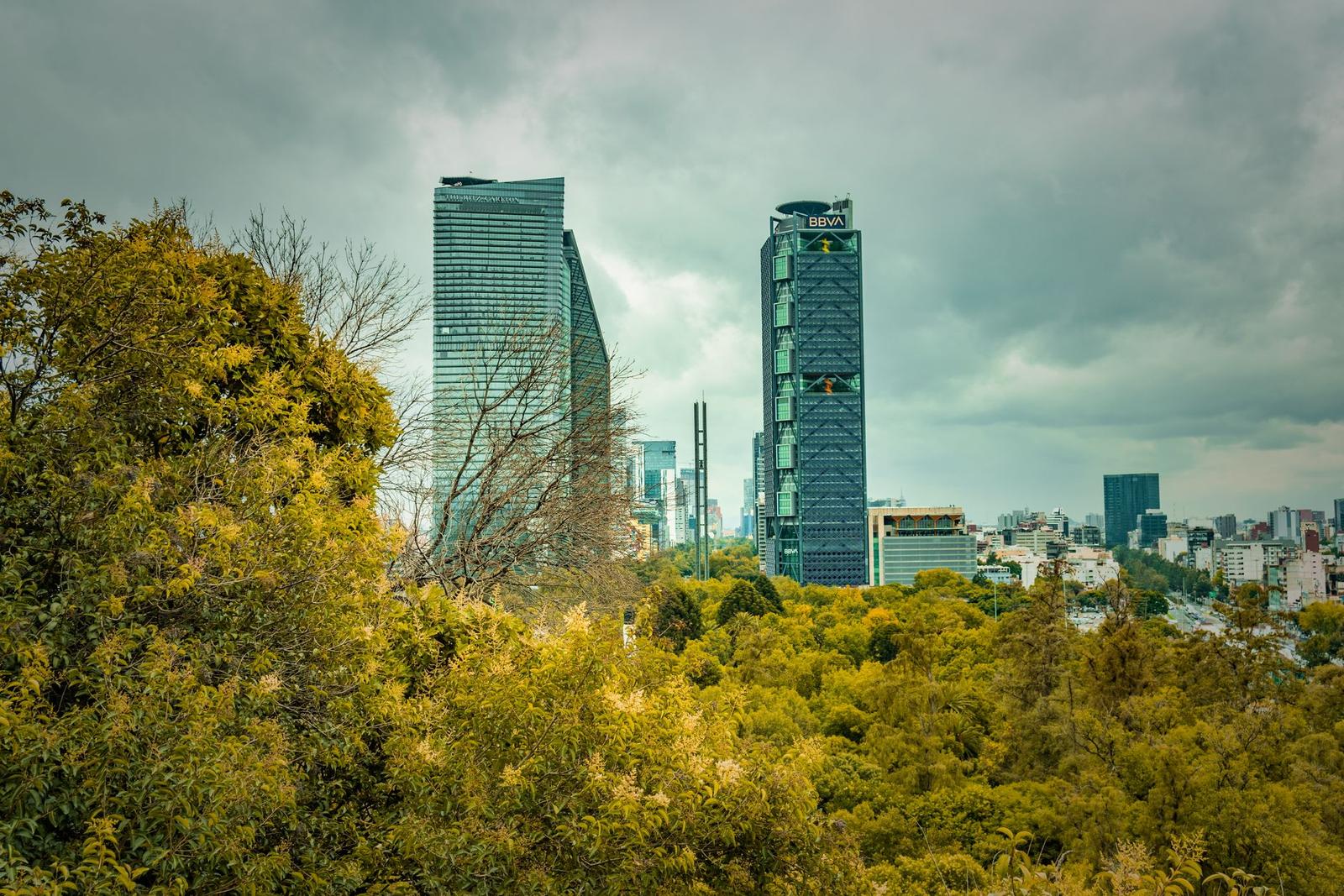
Mexico City needs roughly 1.2 million additional housing units right now. That figure, drawn from the Secretaría de Desarrollo Urbano y Vivienda's mid-2026 diagnostic report, does not account for the estimated 180,000 new workers who have relocated to the capital since 2023 as nearshoring investment reshapes the metropolitan economy. The gap is widening, not closing.
The timing matters because multiple forces are colliding at once. The federal government is under pressure to show urban progress before the 2026 FIFA World Cup kicks off in July, with the Estadio Azteca hosting the tournament's opening match. Simultaneously, President Claudia Sheinbaum's administration has staked political capital on expanding social housing through the Infonavit reform package passed in late 2025, which lowered minimum contribution thresholds and extended credit access to informal workers. The reform was bold on paper. The construction numbers have not yet caught up.
Where the Numbers Hit Hardest
Iztapalapa remains the most acute pressure point. The borough, home to 1.8 million residents, the largest single municipality in Latin America, recorded a 34 percent rise in informal settlement expansion between 2022 and 2025, according to data compiled by the Centro de Investigación y Docencia Económicas. Average monthly rent for a two-bedroom unit on Avenida Ermita Iztapalapa crossed 9,500 pesos in May 2026, up from 6,200 pesos in early 2023. That is a 53 percent increase in under four years against a citywide inflation rate that averaged 5.8 percent annually over the same period.
Cuauhtémoc and Benito Juárez tell a different version of the same story. Colonia Roma Norte and Condesa have seen per-square-metre sale prices breach 55,000 pesos, pricing out middle-income buyers who earned their Infonavit credits expecting to buy in those zones. The Corredor Chapultepec redevelopment project, the 7.5-kilometre urban corridor stretching from the Auditorio Nacional to Bucareli, has attracted significant private investment but delivered fewer than 400 of the 2,000 affordable units promised under its Phase Two social housing component by the original December 2025 deadline.
Supply Is the Core Problem
The city permitted 47,300 new residential units in 2025, according to the Registro Único de Vivienda. Urbanists at the Universidad Nacional Autónoma de México estimate the capital needs to permit at least 85,000 units annually just to absorb natural population growth, let alone the nearshoring migration wave. At the current pace, the deficit compounds by roughly 38,000 units every year.
Construction costs are a significant driver. Steel prices in central Mexico rose 18 percent between January 2025 and April 2026. Labour costs in the construction sector climbed 22 percent over the same stretch, partly because manufacturing plants in Vallejo and Azcapotzalco are competing for the same skilled workforce. A standard 55-square-metre social housing unit that cost approximately 820,000 pesos to build in 2022 now costs close to 1.15 million pesos, a jump that erodes the subsidy buffer built into Infonavit financing models.
The Sheinbaum administration's response has centred on vertical densification along the five Metrobús corridors and the expanded Línea 3 del Metro extension toward Texcoco. Planners at SEDUVI project that rezoning along those transit spines could theoretically unlock land for 120,000 new units by 2030. Whether that projection survives contact with neighbourhood opposition groups, several Colonia Del Valle resident associations have already filed injunctions against upzoning proposals, is the question city hall will have to answer in the next budget cycle, with draft zoning amendments due before the Asamblea Legislativa by September 30.
For renters searching now, the practical calculus is bleak. The city's Programa de Arrendamiento Social, which caps rents on a limited portfolio of government-owned buildings, covers fewer than 12,000 units across the 16 boroughs. That is less than one percent of the rental market. Until supply expands at a scale that matches ambition with permits, the numbers will keep telling a story that no policy document softens.