news
Record Migration Surge Transforms Mexico City Neighborhoods, Strains Services
From Iztapalapa to Roma Norte, a record surge of migrants and foreign workers is straining services, driving up rents and creating a city that looks nothing like it did five years ago.
How we reported this
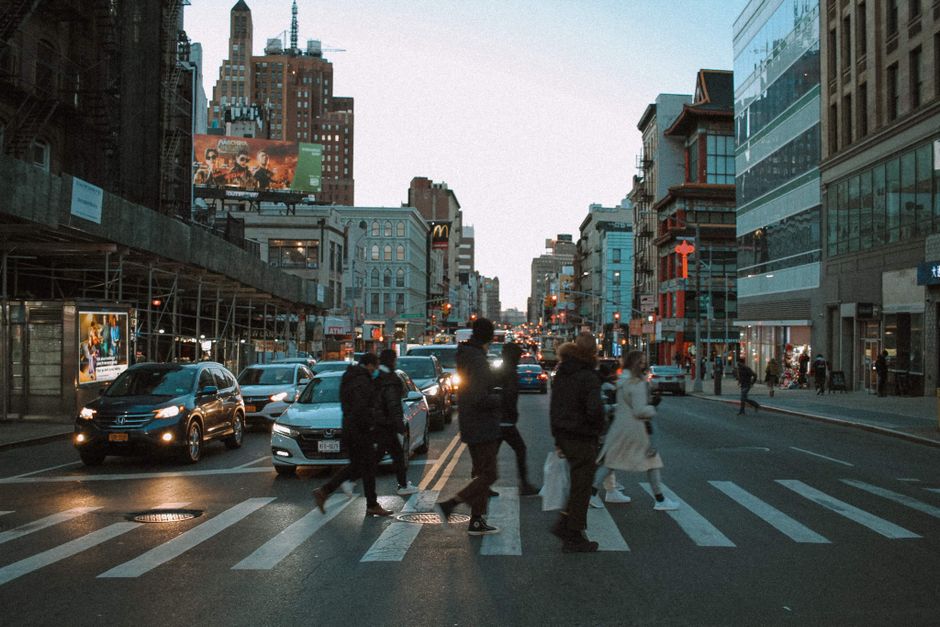
More than 180,000 foreign nationals registered as residents in Mexico City in 2025, according to figures from the Instituto Nacional de Migración, the highest single-year total the capital has recorded. The number includes Venezuelan families displaced by years of crisis, Central American migrants in transit who stayed, American and Canadian remote workers priced out of their own cities, and a fast-growing wave of South Korean and Taiwanese engineers drawn by the nearshoring manufacturing corridor expanding through Vallejo and Azcapotzalco. They are all here now, all at once, and the city's infrastructure is feeling every one of them.
The timing is not coincidental. The US-China trade decoupling accelerated investment in Mexican manufacturing through 2024 and 2025, pulling thousands of Asian and American technical workers into the capital. Simultaneously, the Maduro government's collapse of social services pushed a fresh wave of Venezuelans north. The two migration streams arrived in the same cramped rental market, the same overcrowded metro lines, the same underfunded public clinics, and onto the same streets where Mexico City residents are already paying 34 percent more for average rent than they were in 2022, according to data published by Sociedad Hipotecaria Federal in March 2026.
Where the Pressure Is Felt Hardest
Colonia Doctores, historically one of the city's working-class anchors just south of the Centro Histórico, has become ground zero for Venezuelan community settlement. A stretch of Calle Panamá near the junction with Eje Central now hosts at least a dozen informal food stalls serving arepas and cachapas, alongside a small clinic run by Médicos del Mundo México that opened in January 2026 specifically to serve migrants without IMSS coverage. The clinic recorded 2,400 consultations in its first four months. Residents of the neighbourhood report mixed feelings: many welcome the economic activity, but longtime tenants say landlords are using the demand spike to push out families who have lived there for decades.
In Iztapalapa, already stretched by its ongoing water crisis, which leaves parts of the delegación without running water for up to 72 hours at a stretch, the Casa de Migrantes Monseñor Enrique Alvear on Avenida Ermita Iztapalapa has been operating at 140 percent capacity since February. The shelter was built to house 80 people. Staff there have been coordinating with the Secretaría de Inclusión y Bienestar Social del gobierno de la Ciudad de México to find overflow accommodation, but placements remain scarce and the waiting list runs to over 200 names. Meanwhile, water tanker trucks that local residents already depend on are now serving more households than ever, and the municipal system is not keeping pace.
Roma Norte and Condesa tell a different story but with the same underlying tension. The digital-nomad and expat community concentrated there has pushed the average monthly rent for a one-bedroom apartment to roughly 22,000 pesos, up from around 14,500 pesos in early 2023. Mexican professionals in their 30s and 40s who grew up in the neighbourhood report being effectively priced out. The Asamblea Vecinal Roma-Condesa, a civic organisation formed in 2024, has been petitioning the Sheinbaum administration for rent stabilisation measures under the city's housing law, so far without a concrete legislative response.
What the City Is, and Isn't, Doing
The government launched the Programa de Integración Comunitaria in April 2026, a modest initiative channelling 85 million pesos toward Spanish-language and civic-orientation classes for migrants at 14 centros comunitarios across the city. Critics say the budget is inadequate relative to the scale of need and that the programme does nothing to address the rental market distortions squeezing chilango families. The FIFA World Cup in 2026, with matches scheduled at the Estadio Azteca, is also bringing a new category of short-term pressure, as property owners convert long-term rentals into tourist accommodation ahead of the tournament, further tightening supply.
Residents who want to engage with the integration process can contact the Coordinación de Atención a Migrantes of the CDMX government directly through its office on Avenida Insurgentes Sur 1685. Community forums are scheduled for August at the Centro Cultural del Bosque in Chapultepec. For families facing displacement pressure, the Asamblea Vecinal Roma-Condesa publishes a weekly bulletin with legal referrals and housing resources at its office on Calle Orizaba. The demographic shift is not reversing, the question is whether the city builds systems fast enough to keep the pressure from becoming a fracture.