news
Mexico City Deploys Street-Level Tools to Fight Digital Image Duplicates
As cities worldwide scramble to remove repeated or misleading images from public-facing urban data systems, the capital is deploying street-level verification tools that put it ahead of peers, but bureaucratic friction is slowing the rollout.
How we reported this
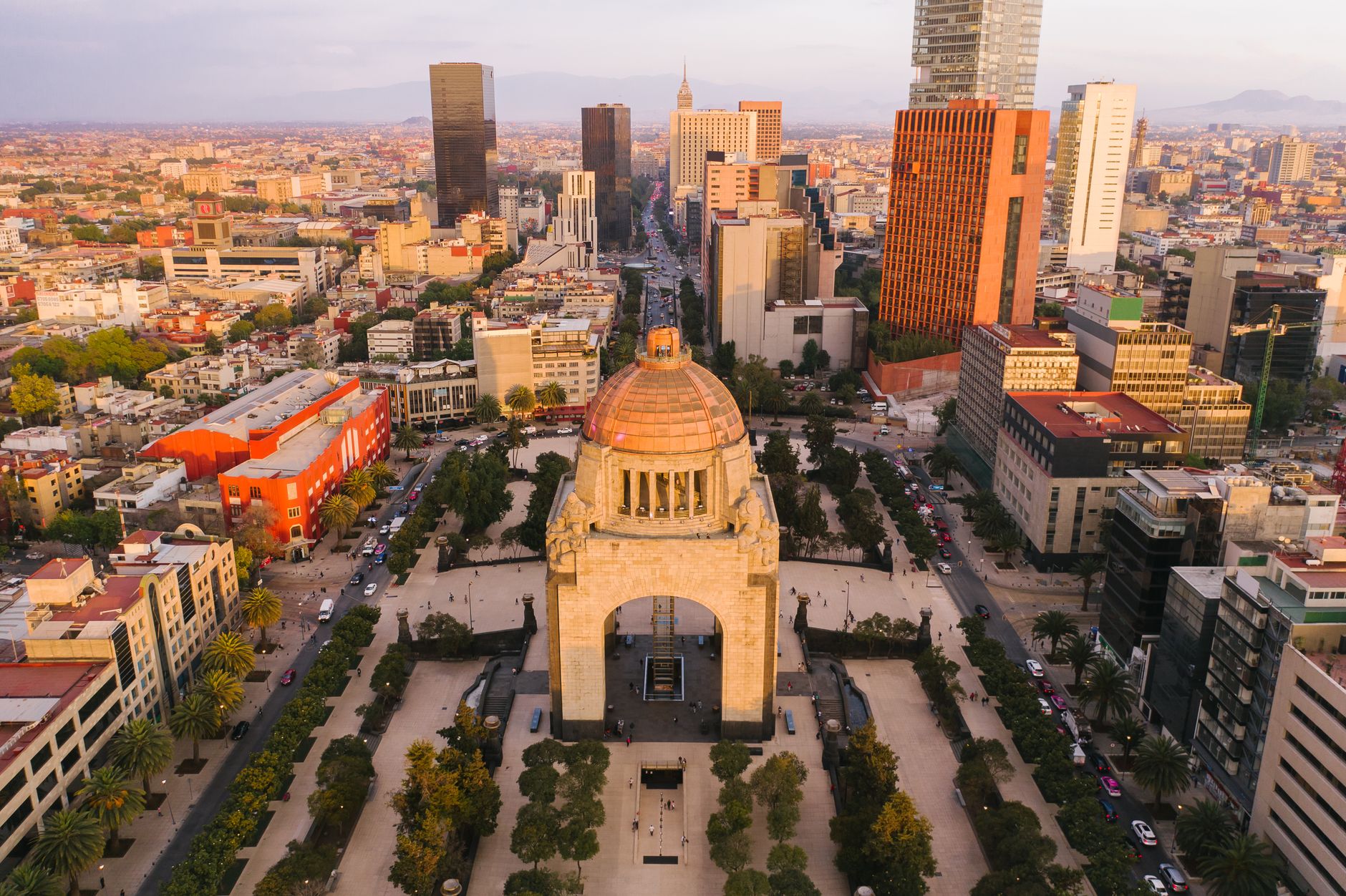
Mexico City's urban data office confirmed this week that its Plataforma Digital Nacional node for the capital, managed through the Agencia Digital de Innovación Pública, known as ADIP, has flagged more than 14,000 duplicate or mismatched street-view images embedded in public mapping and permitting systems since January 2026. The images, many recycled from outdated municipal photo libraries, were attached to construction permits, commercial licences and public infrastructure records across delegaciones including Iztapalapa and Cuauhtémoc, causing discrepancies that delayed approvals and, in at least one documented case, led inspectors to visit the wrong address on Avenida Insurgentes Sur.
The problem is not unique to this city. Urban administrations from Bogotá to Istanbul have been reckoning with duplicate-image contamination in their geospatial and permitting databases, a side effect of years of rapid digitisation without consistent metadata standards. What makes the Mexico City situation distinctive is the timing: the 2026 FIFA World Cup, with matches scheduled at the Estadio Azteca in Coyoacán borough, has forced a sudden acceleration of the cleanup. Venue-adjacent infrastructure records are being audited at a pace the city's digital bureaucracy was not designed to handle.
How the Capital Stacks Up Against Bogotá and Istanbul
Bogotá's Secretaría Distrital de Planeación began a comparable deduplication exercise in 2024 under its SIGDP mapping platform and, according to public progress reports published by that agency, cleared roughly 60 percent of flagged image records within eight months by deploying machine-learning classifiers trained on street-block photo sets. Istanbul's Metropolitan Municipality launched a similar audit through its BIMTAS technology subsidiary in late 2024, focusing on the historic Fatih and Beyoğlu districts where cadastral records are dense and historically inconsistent.
Mexico City's ADIP is using a hybrid approach: automated perceptual hashing, a technique that generates a compact fingerprint for each image and compares it against the database, combined with manual review queues staffed at the agency's offices near the Zócalo on Calle 5 de Febrero. The automated layer can process roughly 3,000 images per day, according to ADIP's publicly published technical specifications for the Plataforma. Bogotá's system, by comparison, was processing an estimated 5,000 per day at peak capacity. The gap matters because Mexico City's municipal image archive is substantially larger, ADIP has publicly described the capital's urban-record photo inventory as exceeding 2.1 million files as of the 2025 system audit.
Part of what's dragging on the local effort is a structural one. The judicial reform controversy that reshaped the federal courts in 2024 also produced months of administrative uncertainty across agencies that share data with the capital's systems, including the Registro Público de la Propiedad. Staff turnover during that period interrupted metadata-tagging workflows that had been underway since 2023, pushing the deduplication timeline back by an estimated two quarters, based on ADIP's own published project roadmap.
What Residents and Developers Should Know
For anyone filing a commercial permit or a construction notice in the coming months, the practical advice from the ADIP technical documentation is direct: attach original georeferenced photographs taken after January 1, 2025, and do not reuse images from previous applications. The agency has indicated that submissions containing images already present in its hash database will be automatically held for manual review, adding between five and fifteen business days to processing time.
In Iztapalapa, where the ongoing water crisis has generated a parallel surge in infrastructure documentation requests from neighbourhood committees and NGOs, the duplicate-image backlog has been particularly acute. The borough's own Alcaldía office confirmed in a June 2026 public notice that it was working with ADIP to prioritise records linked to water-infrastructure projects in colonias including Desarrollo Urbano Quetzalcóatl.
The Estadio Azteca deadline is concentrating minds. ADIP has said publicly it aims to clear all venue-zone records by August 15, 2026. Bogotá met a comparable self-imposed deadline for its El Campín stadium district ahead of the Copa América. Istanbul finished its Fatih audit six weeks late. Mexico City, sitting somewhere between those two examples, is running out of time to decide which outcome it wants to replicate.