news
Mexico City Fake Property Listings: Hall of Mirrors Explained
Duplicate photos and stolen floor plans plague Mexico City rentals. Learn why PROFECO complaints spike in Roma Norte, Condesa, and how to verify listings.
How we reported this
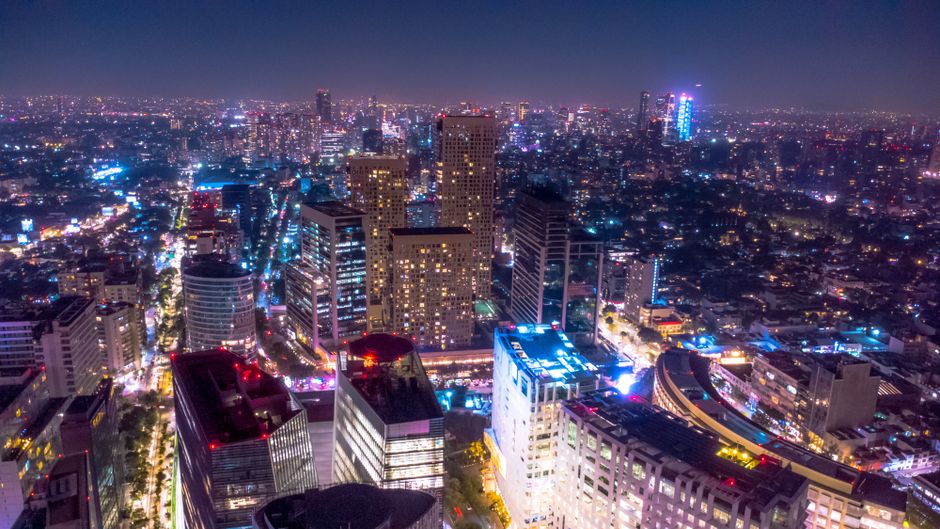
Walk into any Inmuebles24 or Lamudi listing for a two-bedroom apartment in Colonia Narvarte and there is a reasonable chance the photos were taken in a completely different building, possibly in a different borough. The practice of duplicating, recycling, and outright stealing property images has become so embedded in Mexico City's real estate ecosystem that buyers, renters, and even some agents have largely stopped questioning it, until now.
The issue landed back in public view this spring after the Procuraduría Federal del Consumidor, known as PROFECO, began fielding a rising volume of complaints from prospective tenants who arrived at viewings to find properties that bore no resemblance to their online listings. The complaints are concentrated in high-demand corridors: Roma Norte, Condesa, and the Benito Juárez borough more broadly, where nearshoring-driven demand from relocating professionals has pushed average rents upward and compressed viewing windows, giving dishonest listers less reason to worry about scrutiny.
A Problem Built Over Two Decades of Informal Listing Culture
Mexico City never had a centralised Multiple Listing Service of the kind that disciplines property photography in markets such as New York or London. When internet classifieds exploded in the early 2000s, first through Segundamano, later through portals that eventually merged into today's dominant platforms, there was no enforceable standard requiring original photography. An agent or landlord who had one decent set of images could reuse them indefinitely, across multiple units, multiple cycles, multiple years.
The problem compounded as the capital's rental market tightened. Between 2022 and 2025, nearshoring investment drew tens of thousands of professionals into the metropolitan area, particularly into boroughs close to the Paseo de la Reforma financial corridor and the Santa Fe business district on the western edge of the city. Demand outran supply fast enough that listers learned prospects would commit to deposits sight-unseen. Accurate photography became a competitive disadvantage for anyone running a shabby unit.
The Asociación Mexicana de Profesionales Inmobiliarios, or AMPI, which operates a Mexico City chapter with offices near Avenida Insurgentes Sur, has discussed image-authentication standards internally for at least three years. No binding ruleset has been adopted across the sector. Membership in AMPI is voluntary, and a large share of Mexico City transactions, industry observers put the informal fraction well above half, are handled by unlicensed intermediaries who answer to no professional body at all.
What the Evidence Shows
A 2024 diagnostic study commissioned by the Instituto de Investigaciones Sociales of the Universidad Nacional Autónoma de México examined a sample of rental listings across five Mexico City boroughs and found that a significant proportion of listings contained at least one image that appeared in two or more other simultaneous listings for different addresses. The study, released in March 2025, did not produce a single headline-friendly percentage because the researchers cautioned that automated reverse-image matching returns false positives, but the directional finding was unambiguous: duplication was pervasive, not marginal.
Renters in Iztapalapa, already managing the borough's chronic water-access difficulties, face a compounding disadvantage. Units there are more likely to be listed by informal landlords with no professional representation, and those landlords are more likely to borrow attractive images from wealthier neighbourhoods to command higher rents. A one-bedroom in Iztapalapa advertised with Roma Norte photography can command roughly 30 to 40 percent above what comparable honest listings in the same zone achieve, according to pricing comparisons reviewable on public portal archives.
Pressure is now arriving from multiple directions simultaneously. PROFECO has signalled it may issue formal guidance to listing platforms requiring metadata verification of uploaded images before a listing goes live. The World Cup effect matters here too: with matches scheduled at the Estadio Azteca in Tlalpan borough starting in June 2026, short-term rental volume has spiked, and international visitors burned by misleading photos file complaints through channels that generate diplomatic-level attention. Platform operators, facing potential liability exposure, are reportedly piloting automated hash-checking tools that would flag identical images posted against different addresses. Landlords and agents operating in the capital's rental corridors should assume that window is closing faster than the broader reform conversation suggests.