news
Fake Rental Photos Cost Mexico City Renters Thousands in Scams
Duplicate and doctored listing images are fueling a shadow rental scam economy across the capital, hitting residents in already-stretched neighbourhoods the hardest.
How we reported this
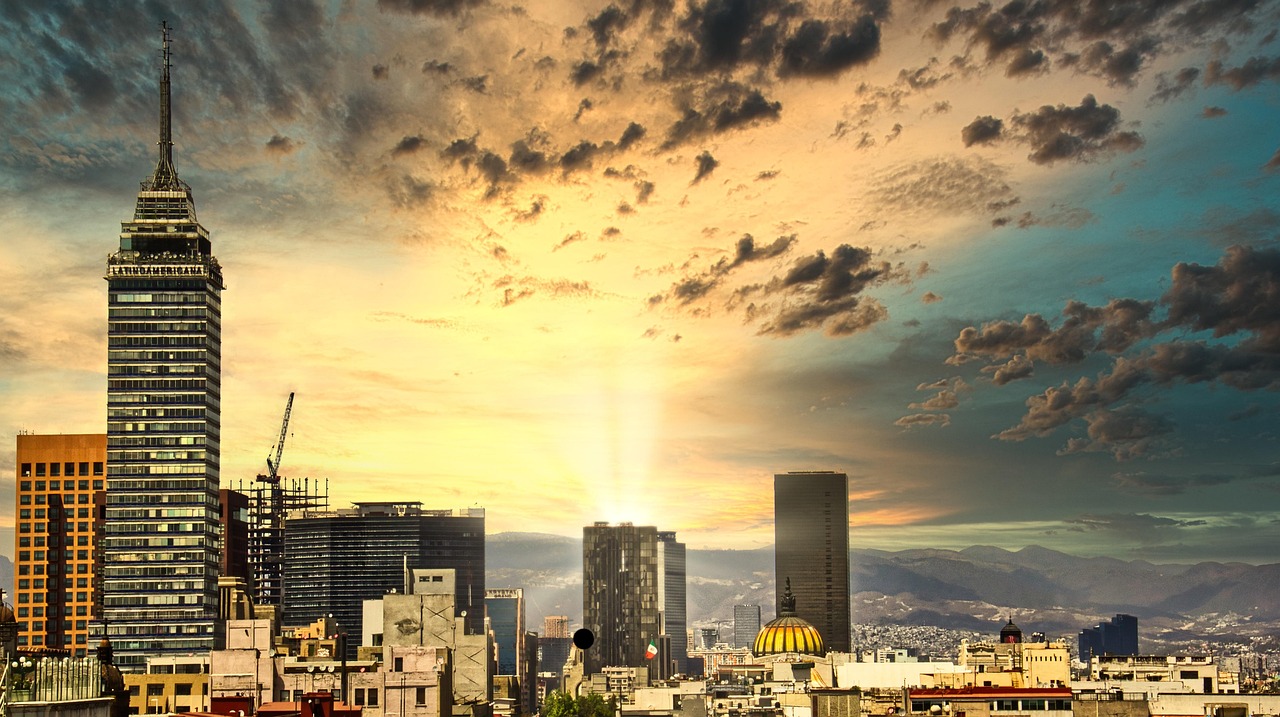
A single apartment photograph turns up in 14 different rental listings across Colonia Roma, Doctores, and Iztapalapa, three different prices, three different addresses, the same sunlit living room. That is not an anomaly. It is a pattern that consumer protection advocates and housing researchers say has become routine on Mexico City's major digital rental platforms, and the people losing money because of it are overwhelmingly the people who can least afford to.
The phenomenon of duplicate and fabricated listing images, sometimes called image spoofing in the property sector, sits at the intersection of two pressures that have been reshaping the capital since 2023: a nearshoring-driven surge in demand for mid-tier housing near industrial corridors like Vallejo and Azcapotzalco, and a chronic shortfall in affordable rental stock that the city's housing authority, the Instituto de Vivienda de la Ciudad de México (INVI), has not kept pace with. When supply is tight and desperation is high, fraudulent listings thrive.
How the Scam Works on the Ground
The mechanics are straightforward and brutal. A prospective tenant scrolling through listings on platforms like Vivanuncios or Inmuebles24 spots an apartment in Colonia Guerrero or near the Metro Tepito station on Eje 1 Norte for around 6,500 pesos a month, plausible, competitive, appealing. They message the poster, pay a deposit of one or two months' rent to hold the unit, and then discover either that the apartment does not exist at the address given, or that it was already rented weeks ago and the photographs were simply copied from a legitimate, closed listing. The fraudster has vanished.
PROFECO, the federal consumer protection agency, logged a significant rise in real estate-related complaints between 2023 and 2025, though the agency has not broken out digital listing fraud as a standalone category in its public data. Housing advocacy groups operating in Iztapalapa, where average asking rents for a two-bedroom unit have climbed toward 7,800 pesos monthly in the past two years, according to local market surveys circulated by neighbourhood tenant collectives, say the scam disproportionately targets first-time renters relocating from outside the city to take up factory or logistics jobs tied to the nearshoring wave.
The 2026 FIFA World Cup, which will bring matches to the Estadio Azteca in Tlalpan starting in June, is already inflating short-term rental activity in the southern boroughs and pushing some landlords to flip long-term units into tourist accommodation. That compression tightens the mid-market further and creates fresh pools of unfamiliar, time-pressured renters, exactly the profile that duplicate-image fraudsters target.
What Residents Can Do Right Now
The practical counter-measures are not complicated, but they require slowing down in a market that punishes hesitation. A reverse image search on any listing photograph, using Google Images or TinEye, takes under a minute and will surface duplicate appearances across platforms if the image has been reused. Residents should insist on an in-person or video-verified walkthrough before transferring any funds, and should cross-reference the listed address against the Registro Público de la Propiedad, the capital's official property registry, to confirm ownership matches the person requesting payment.
Colonia Portales and Colonia Narvarte, both popular with young professionals arriving for nearshoring-sector work, have seen tenant mutual-aid networks grow rapidly since 2024. Groups operating through neighbourhood WhatsApp channels and the platform Vecindapp have begun sharing blacklisted listing images and phone numbers, creating a crowd-sourced fraud database that no government agency currently maintains officially.
INVI has a public complaint channel and a rental mediation program, but wait times for resolution stretch into weeks. For residents who have already been defrauded, the Fiscalía General de Justicia of Mexico City, headquartered on Doctores near the junction of Eje 3 Sur, accepts fraud complaints in person and online, and cases involving amounts over 5,000 pesos can qualify for criminal prosecution rather than civil mediation. Filing that report, even when recovery feels unlikely, builds the statistical record that regulators say they need before they will mandate image-verification requirements on listing platforms.