property
Suburban Train Line 3 Extension Transforms Cuautitlán Izcalli Into Major Commuter Hub
A federal rail upgrade stretching north from Buenavista is reshaping land values and residential demand in a corridor long dismissed as peripheral sprawl.
How we reported this
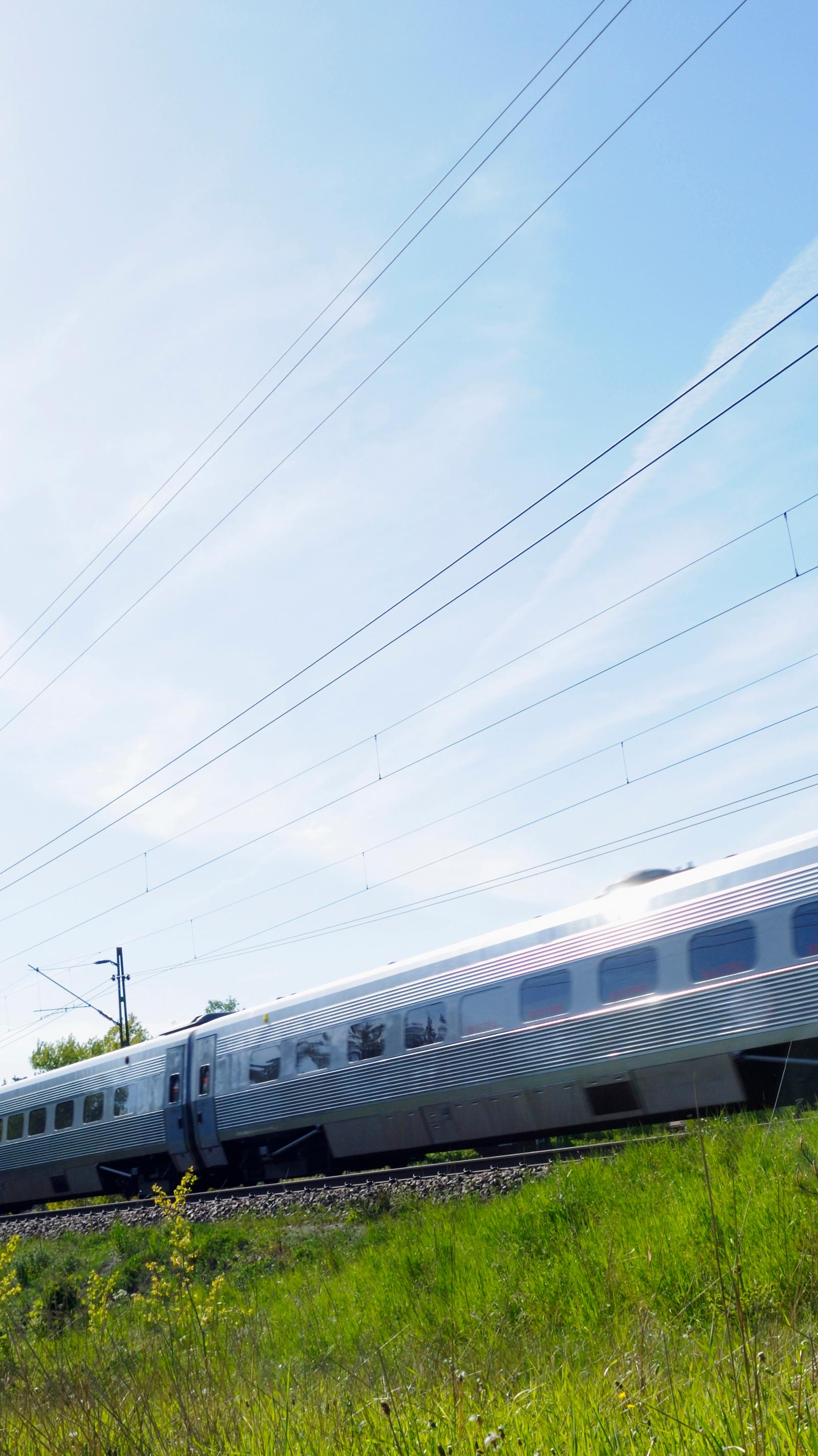
The numbers are moving before the trains do. Land prices along the proposed Línea 3 del Tren Suburbano corridor, running roughly 28 kilometres from Buenavista station through Tlalnepantla and on to Cuautitlán Izcalli, have climbed between 18 and 22 percent over the past 18 months in parcels within 500 metres of planned station zones, according to mid-2026 valuations circulating among brokers registered with the Asociación Mexicana de Profesionales Inmobiliarios. That is the clearest signal yet that the federal Secretaría de Infraestructura, Comunicaciones y Transportes, which confirmed full federal funding for the line's northern segment in March 2026, has already changed the calculus for developers and buyers alike.
The timing matters. Mexico City's established residential markets, Roma Norte, Condesa, Polanco, are running at an average of MXN 55,000 per square metre or well above it, pricing out a generation of mid-income buyers who still need to reach the capital's business districts in Santa Fe or the Reforma corridor for work. The Tren Suburbano extension offers a structural answer: cut travel time from Cuautitlán Izcalli to Buenavista to under 40 minutes, and suddenly Estado de México municipalities that have historically meant a bruising two-hour bus commute become plausible addresses for households earning MXN 25,000 to MXN 45,000 per month.
Where Developers Are Already Moving
The activity is most visible around two nodes. The first is the Lechería area in Tultitlán, where the existing Tren Suburbano Línea 1 already stops and where the new line is expected to share upgraded infrastructure. Vertical residential projects, mid-rise blocks of 60 to 120 units, have broken ground on at least four sites along Boulevard Manuel Ávila Camacho in Tlalnepantla since January 2026. The second node is the planned terminal zone near the CIVAC industrial park access roads in Cuautitlán Izcalli, where land that was transacting at MXN 2,800 per square metre in early 2024 is now being quoted closer to MXN 3,900 by ejido holders who have watched the federal announcements closely.
This is not the first time a transit announcement has run ahead of the transit itself in this corridor. Línea 1 del Tren Suburbano, which opened its Buenavista-to-Cuautitlán route in 2008, did generate residential growth, but far more slowly than boosters projected, partly because feeder connectivity remained poor and partly because the line operated fewer than a dozen daily services for years after opening. The difference this cycle, planners argue, is that the Secretaría de Movilidad del Gobierno de la Ciudad de México has committed to integrating the new line with the Metrobús network at Buenavista and with planned extensions of the Metro Línea B, which currently terminates at Ciudad Azteca in Ecatepec.
What Buyers Are Actually Finding
For buyers willing to act before the line opens, currently targeted for a phased inauguration starting in late 2028, the price gap versus inner-city options is stark. A two-bedroom apartment of 75 square metres in Cuautitlán Izcalli's newer residential fraccionamientos is listing at MXN 1.4 million to MXN 1.8 million. The equivalent floor area in Juárez or Doctores, neighbourhoods that are themselves mid-gentrification, is routinely quoting MXN 3.5 million to MXN 4.2 million. The discount is real, but it carries the classic commuter suburb trade-off: you are buying the promise of infrastructure, not the infrastructure itself.
Prospective buyers and investors considering the corridor should do several things before committing. Confirm the specific station footprint with the SICT's published project documents, since exact locations have shifted twice since the 2024 preliminary design phase. Check whether the parcel sits within a Zona de Desarrollo Económico y Social designation, which affects permissible land use and future density allowances. And stress-test the commute: Línea 1 currently runs peak services roughly every 12 minutes, but frequency on the new segments is not yet specified in the published technical annexes. The upside is real. So is the execution risk on a federal infrastructure project in a post-election budget environment.
This article is general information only and is not personal financial or investment advice. Consider your own circumstances and seek licensed professional advice before making financial decisions.