tech
Mexico City's Clean Energy Pipeline: What's Coming Next in Green Tech
From rooftop solar networks in Polanco to next-generation battery storage facilities, the capital is preparing for a sustainability boom that could reshape its energy landscape by 2030.
How we reported this
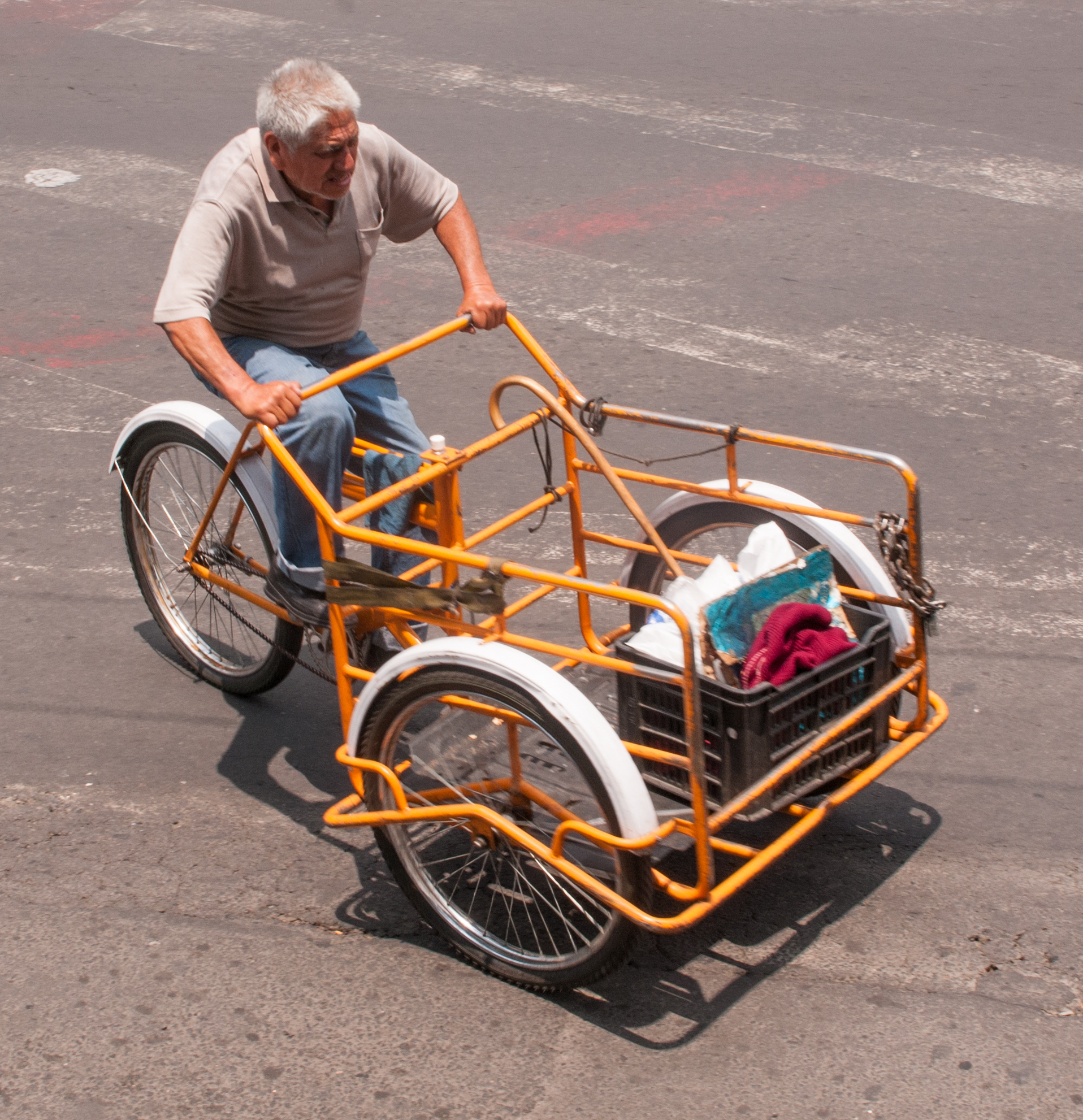
Mexico City's commitment to carbon neutrality is moving beyond rhetoric into hardware. As the metropolis grapples with air quality challenges and aging infrastructure, a wave of green technology deployments is materializing across the urban landscape-and industry leaders are mapping out an ambitious roadmap for the next four years.
The most visible development lies in distributed solar infrastructure. Several projects in affluent neighborhoods like Polanco and Lomas de Chapultepec are already piloting rooftop arrays, but the next phase targets mid-income residential zones. Engineers working with local energy cooperatives estimate that by 2028, solar capacity across the city could reach 450 megawatts-more than triple current levels. The Instituto de Ciencias de la Atmósfera at UNAM has identified Iztapalapa and Gustavo A. Madero as priority zones due to geographic sun exposure and population density.
Battery storage remains the critical bottleneck. A 50-megawatt lithium-ion facility is under construction near the industrial corridor in Iztacalco, scheduled for operation by late 2027. This addresses a fundamental challenge: Mexico City's grid cannot yet absorb variable renewable supply at scale. Developers are also exploring sodium-ion alternatives, which are cheaper and reduce reliance on imported lithium.
The Metrobús system represents another frontier. The capital operates over 2,200 buses; transit authorities have outlined plans to introduce 400 electric units by 2029, with charging stations clustering around major hubs like the central terminal in Buenavista. Current diesel costs average 24 pesos per liter-electric operation would reduce per-vehicle running costs by approximately 60 percent over five years.
Green building standards are tightening. New commercial developments in the Paseo de la Reforma corridor and the emerging tech hub near Cuauhtémoc must now meet stricter energy efficiency codes. Retrofitting older office towers-particularly in the Centro Histórico and surrounding areas-will drive demand for smart HVAC systems, LED infrastructure, and intelligent insulation materials throughout 2026-2028.
Perhaps most intriguingly, waste-to-energy initiatives are advancing. The Bordo Poniente landfill closure created logistical pressure; three biogas conversion projects are in advanced planning stages, potentially capturing methane from existing waste sites while generating electricity for surrounding neighborhoods.
None of this happens automatically. Regulatory clarity, investment capital, and technical expertise all require coordination. Yet the trajectory is unmistakable: Mexico City's next wave of green innovation will be defined not by grand declarations, but by specific machines, installations, and systems humming to life across the city's neighborhoods.
This article was compiled by AI and screened before publishing. See our editorial standards.