Technology
Mexico City's Fintech Boom: How One City Dominates Latin America's Finance
A unique blend of Latin American scale, proximity to the US market, and homegrown regulatory pragmatism is turning the capital into an unlikely hub for financial innovation.
How we reported this
Walk through Polanco or Condesa on any given Tuesday, and you'll spot the telltale signs: young engineers hunched over laptops in coffee shops, venture capitalists conducting deal meetings in converted colonial buildings, and the constant hum of startups pivoting between Spanish and English. Mexico City's fintech ecosystem has quietly become one of Latin America's most distinctive technology sectors-not by copying Silicon Valley, but by solving problems nowhere else is addressing at scale.
The numbers tell part of the story. Mexico's unbanked population sits around 40 million people, yet the country processes over $600 billion in digital transactions annually. That gap-between financial exclusion and transaction volume-is precisely what drew companies like Mercado Pago, Clip, and Nubank to establish major operations here. But what keeps them, and what attracts new capital, is something less obvious: Mexico City's position as a testing ground between emerging and developed markets.
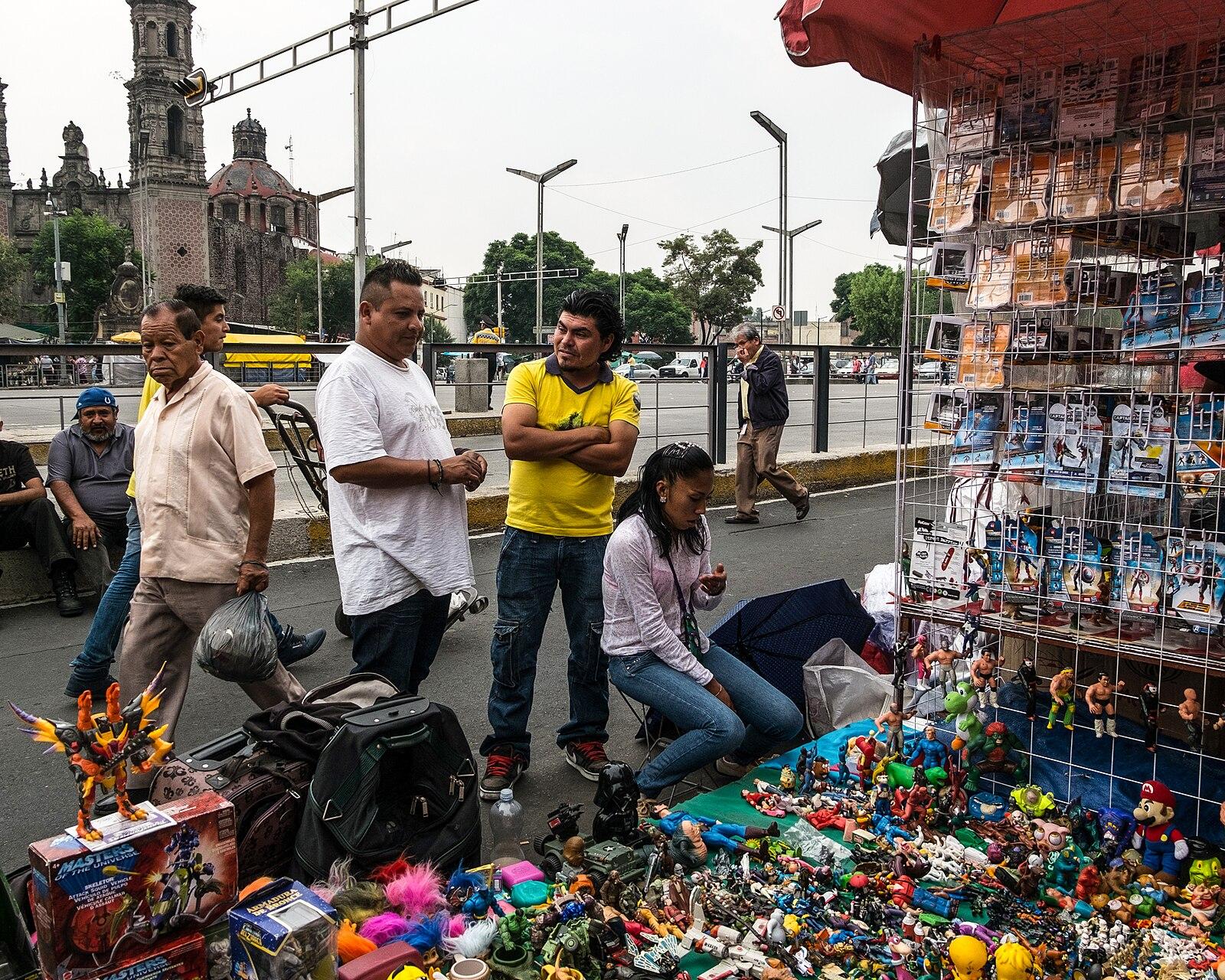
"We're not trying to be the next San Francisco," explains the prevailing sentiment among founders in the tech corridor stretching from Santa Fe through Polanco to Condesa. Instead, the city's fintech leaders are building infrastructure that works across borders, for populations with intermittent internet, in markets where cash remains king. Remittance corridors to the United States, mobile-first banking solutions for informal workers, and payment systems designed for merchants operating from street stalls-these aren't Silicon Valley problems.
The regulatory environment, overseen from offices near Paseo de la Reforma, has also proven surprisingly adaptive. Mexico's central bank has created sandbox spaces for fintech experimentation without the heavy compliance burden that strangles innovation in mature markets. This pragmatism, combined with the country's existing USMCA trade relationships, makes Mexico City attractive to companies wanting to serve both North and South American markets simultaneously.
Infrastructure matters too. The city's young talent pool-with universities like ITAM and Universidad Nacional Autónoma de México producing thousands of engineers annually-keeps salaries reasonable compared to San Francisco while maintaining technical quality. Office space in Polanco runs 25-30 pesos per square meter monthly, a fraction of comparable neighborhoods in other global tech hubs.
What distinguishes Mexico City's fintech scene from competitors in São Paulo or Bogotá is this specific alchemy: a massive underserved domestic market, regulatory flexibility, geographic advantage, and the ability to learn from failed experiments elsewhere. The city isn't replicated the global fintech playbook-it's writing its own.