tech
Mexico City's Green Tech Startups Are Racing to Solve the Capital's Energy Crisis
As blackouts plague the metropolis, a new generation of cleantech founders in Polanco and Condesa are building solutions that could reshape how 9 million residents power their lives.
How we reported this
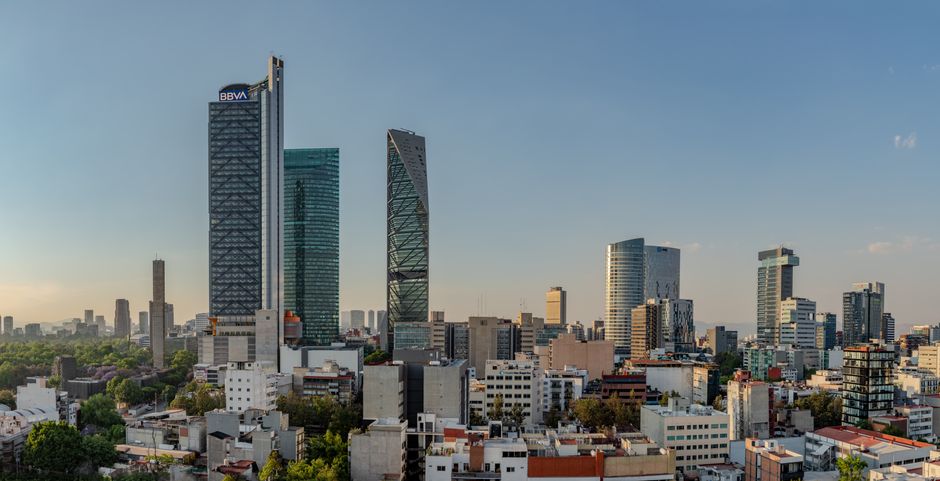
Mexico City's tech ecosystem has spent the last eighteen months pivoting hard toward clean energy, driven by an urgent reality: the capital's aging electrical infrastructure is buckling under demand. With rolling blackouts now a weekly occurrence and peak summer temperatures pushing 35°C, startup founders across the city's innovation hubs are racing to fill the gap.
The shift is visible across Mexico City's established tech neighbourhoods. In Polanco's gleaming office parks and the bohemian co-working spaces dotting Roma and Condesa, solar microgrids and battery storage startups have emerged as the fastest-growing sector. According to the latest data from Mexico City's Secretariat of Innovation, cleantech ventures received 2.8 billion pesos in venture funding during the first half of 2026-a 140 percent increase from the same period last year.
One particularly active hub is the TechCity incubator near Paseo de la Reforma, where at least twelve greentech companies are now in residence. These range from AI-powered energy management platforms designed for residential buildings to distributed solar installation networks targeting the sprawling neighbourhoods of Iztapalapa and Gustavo A. Madero, where grid reliability remains below 70 percent.
"The demand is real and urgent," explains the ecosystem. Mexico City generates only 18 percent of its electricity from renewable sources, compared to Mexico's national average of 35 percent. Residential electricity costs have risen 22 percent since 2024, making rooftop solar increasingly attractive to middle-class households in Benito Juárez, Coyoacán, and San Ángel.
The municipal government has accelerated the trend by announcing new tax incentives for renewable energy installations in June, reducing property tax assessments for buildings with solar arrays by up to 15 percent over five years. Several startups are already packaging these incentives into their customer acquisition strategies.
Water management technology is another emerging focus. With Mexico City facing chronic water scarcity-the aquifer beneath the metropolis drops nearly 40 centimetres annually-startups are developing IoT sensors and machine learning systems to detect leaks in the city's notoriously deteriorating water infrastructure. Some are also building greywater recycling solutions for apartment complexes across Cuauhtémoc and Miguel Hidalgo.
Industry observers note the momentum could accelerate further if national energy policy shifts. For now, Mexico City's cleantech scene remains largely insulated from federal gridlock, focused on problems that cannot wait: keeping the lights on in a megacity that simply cannot afford to fail.
This article was compiled by AI and screened before publishing. See our editorial standards.