tech
How Mexico City's Startup Boom Is Reshaping Daily Life for Millions of Residents
Fresh venture capital flowing into local tech companies is transforming everything from commutes to food delivery, making the capital more efficient and connected than ever.
How we reported this
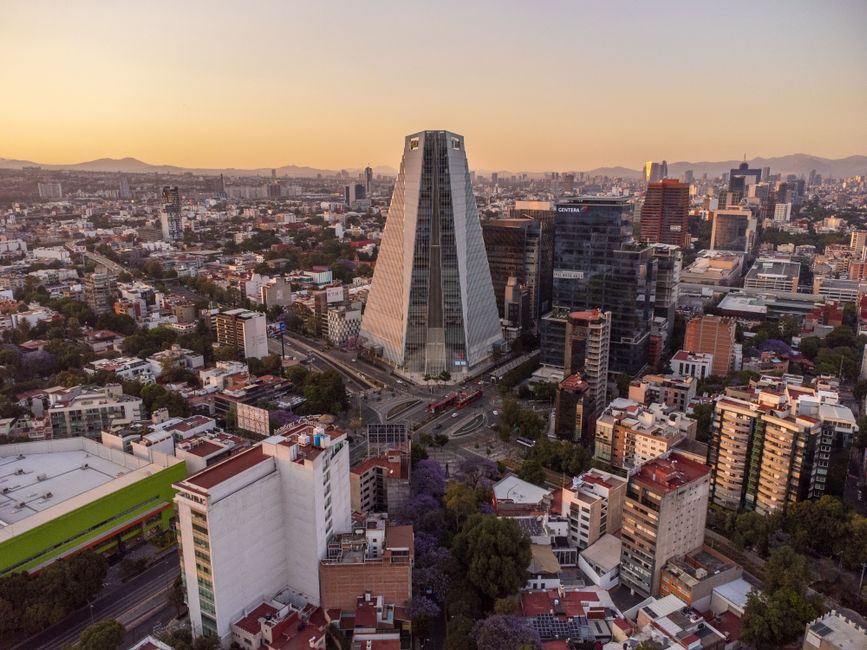
Walk through Polanco on any weekday morning and you'll spot the telltale signs: young entrepreneurs hunched over laptops in coffee shops, venture capitalists heading to glass-walled offices, and the steady hum of a tech ecosystem that has attracted over $2 billion in venture funding since 2023. But the real story isn't in the gleaming office parks-it's in how these investments are fundamentally changing how ordinary chilangos navigate their city.
Consider mobility. Ten years ago, Mexico City's notorious traffic seemed immovable. Today, startups backed by major venture rounds are quietly reshaping commutes. Ride-sharing platforms built by local companies now handle over 4 million trips weekly across the metropolitan area, reducing reliance on traditional taxis and colectivos. Meanwhile, micro-mobility startups have deployed thousands of e-scooters and bike-sharing units across neighborhoods like Roma Norte, Condesa, and increasingly, historically underserved areas like Iztapalapa and Gustavo A. Madero.
The food ecosystem has transformed equally dramatically. Delivery startups funded by top-tier venture firms now operate in over 85% of Mexico City's neighborhoods. A meal that once required a 30-minute round trip from a street vendor in La Merced can arrive at your door in Coyoacán within 45 minutes. Restaurant owners report that venture-backed platforms have expanded their customer base beyond their physical locations, allowing a small eatery in Doctores to reach diners across the entire city.
But perhaps the most tangible impact is in financial services. Fintech startups-many flush with Series B and C funding-have brought affordable digital banking to residents who previously had limited options. Mobile payment adoption has surged from 28% in 2022 to 52% by early 2026, particularly in neighborhoods where traditional bank branches remain sparse.
The venture capital influx isn't without challenges. Rising rents in innovation hubs like the Reforma corridor have priced out some smaller operators, and critics argue the wealth concentration hasn't benefited all 22 million residents equally. Yet the data suggests genuine democratization is occurring. A recent survey found that 67% of Mexico City residents now use at least one service built by a venture-backed startup weekly.
As quarterly funding rounds continue-with major announcements arriving almost monthly-the question isn't whether Mexico City's tech ecosystem is changing daily life. It's how quickly those changes will reach every neighborhood and every socioeconomic stratum in this sprawling, ever-evolving metropolis.
This article was compiled by AI and screened before publishing. See our editorial standards.